What Are the Best Beans for Espresso?
A friendly, no-snobbery guide to picking espresso beans, plus six picks from our collection for every taste and machine.
Okay, so here's the short answer to what are the best beans for espresso: fresh, whole bean coffee that tastes good to you, roasted in a way that plays nice with your machine. For most people at home, a medium or medium-dark roast is the easiest place to start. 100% Arabica blends usually lean sweet and layered, blends with some Robusta bring heavier body and more crema, and lighter specialty coffees can absolutely work too if you're willing to dial in a bit more carefully.
One thing that clears up a lot of confusion: "espresso beans" aren't a special kind of bean. Espresso is a way of brewing. When a bag says "espresso roast," that's the roaster telling you they developed that coffee with espresso in mind. That's it. Once that clicks, picking the best coffee beans for espresso gets a lot less mysterious.
The Best Coffee Beans for Espresso: Our Recommendations
Here's the quick version. These are six espresso-friendly coffees from our collection, picked for different tastes and setups. We haven't run our own side-by-side cupping, so think of this as a researched shortlist built from what each roaster publishes, not a lab ranking.
| Coffee | Roast | Flavor profile | Best for |
|---|---|---|---|
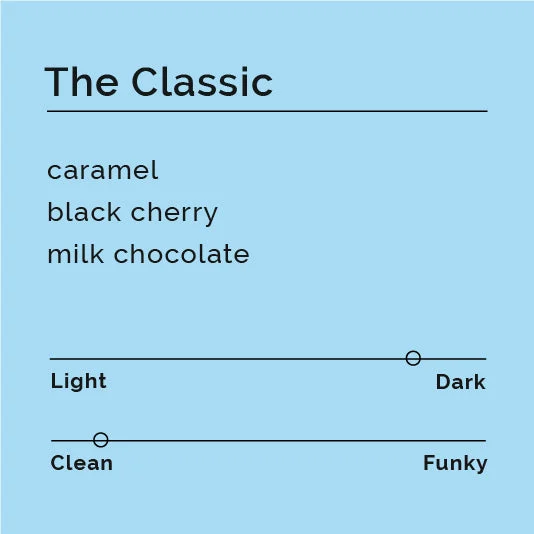
| Black & White The Classic | Medium-dark | Caramel, black cherry, milk chocolate | Everyday espresso |
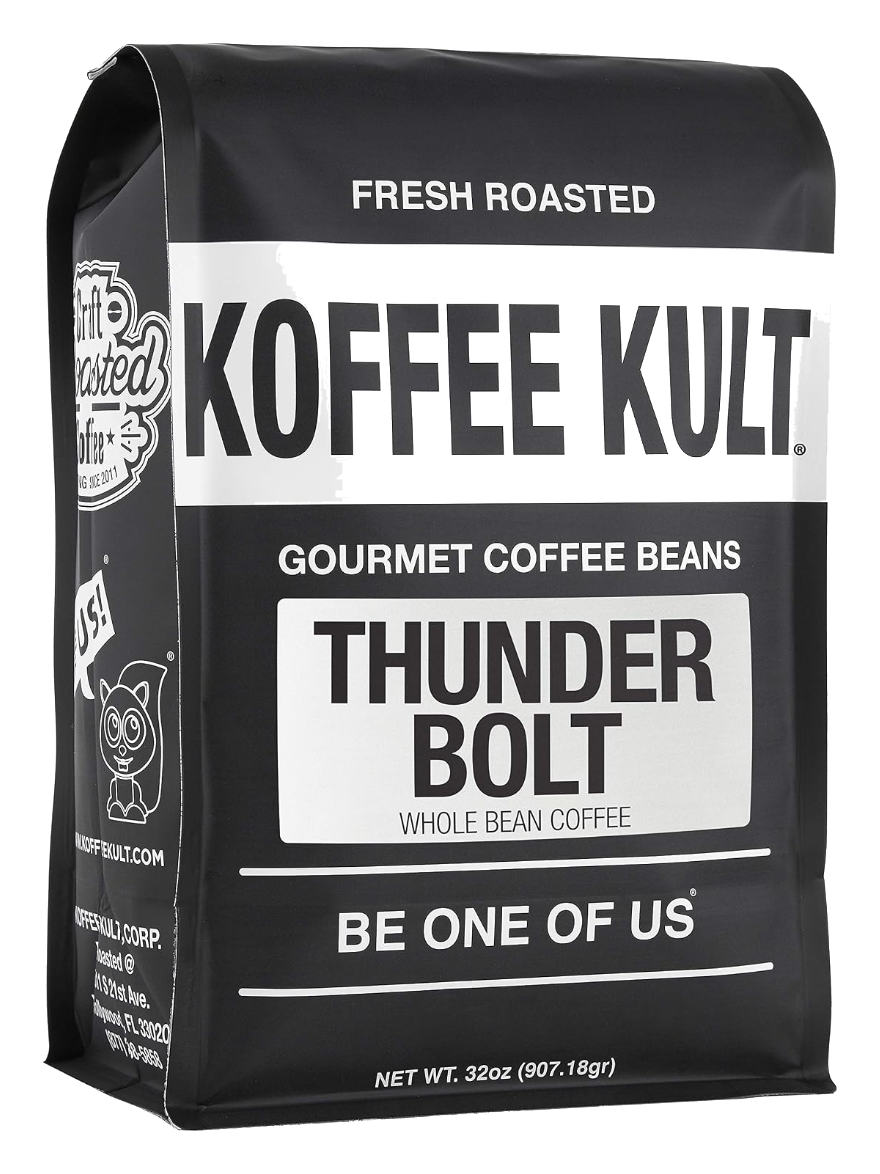
| Koffee Kult Thunder Bolt | Dark (French roast) | Bold, rich, full-bodied | Traditional, Italian-style shots |
| Spirit Origin Honduran Espresso Blend | Medium-dark | Citrus, honey, peach, floral | Complex specialty espresso |
| Coffee Bros. Brix Breaker | Medium | Papaya, mango, apple, blackberry | Bright, fruity shots |
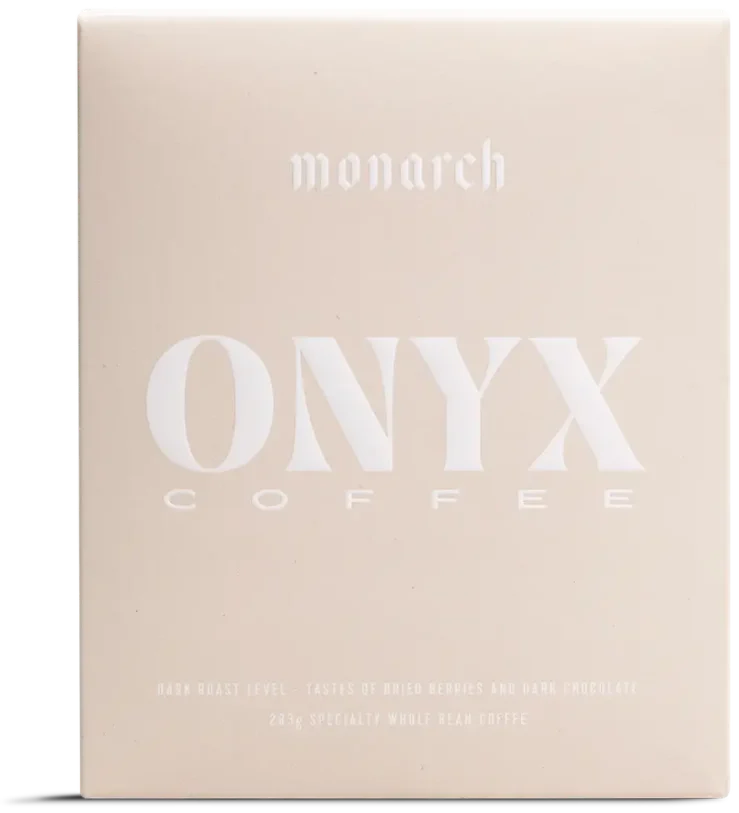
| Onyx Monarch | Onyx's most developed roast | Dark chocolate, winey berries | Lattes and cappuccinos |
| Onyx Decaf Espresso – Peru Norandino | Decaf espresso | Chocolate, citrus, stone fruit | Decaf espresso |
Coffee bean selection guide
Not sure where to start? Answer three quick questions.
Six bags worth pulling a shot with.
Tap through for the full story on each coffee, or grab a bag. We may earn a commission when you buy through our links. Learn more.
Thunder Bolt French Roast

Honduran Espresso Blend

Nicaragua – Brix Breaker

Decaf Espresso – Peru Norandino
Best Coffee Beans for Everyday Espresso
If you just want a shot that tastes good every morning without a ton of fiddling, go for a balanced blend with medium acidity, real sweetness and easy chocolate or caramel flavors. Consistency matters more than fireworks here. A coffee that's forgiving makes dialing in way less stressful, and you're not chasing a moving target every time you open a new bag.
Our pick is The Classic from Black & White Coffee Roasters. It's a medium-dark blend of washed coffees from Colombia and Ethiopia, and the roaster calls out caramel, black cherry and milk chocolate. It's familiar, comfortable and works whether you drink it straight or with milk.
Best Coffee Beans for Traditional Italian Espresso
Picture the espresso you'd get standing at a bar in Italy: full-bodied, thick crema, nutty and chocolatey, low on perceived acidity. A lot of classic Italian blends get there with darker roasting and some Robusta mixed into the Arabica.
We stick to smaller roasters, so our pick is a 100% Arabica take on that style: Koffee Kult Thunder Bolt. It's a French roast of Colombian and Brazilian beans from a small family-owned roastery in Florida, and it's built for bold, rich, heavy-bodied shots. Brazil is a big part of a lot of traditional espresso blends for exactly that chocolate-and-nuts vibe.
Best Specialty Coffee Beans for Espresso
Specialty espresso blends are where things get fun. Roasters pick components on purpose, one for sweetness, one for body, one for a bright top note, and the sourcing and processing all add layers you can actually taste.
Check out the Honduran Espresso Blend from Spirit Origin Coffee. It blends two coffees from Finca Montecillos in Marcala, Honduras, roasted medium-dark, with notes of citrus, honey, sweet fruit, floral and peach. It's still a proper espresso roast, just with a lot more going on than a basic dark blend.
Best Espresso Beans for Fruity, Bright Flavors
Some people want their espresso to taste like fruit, not just "coffee." If that's you, look for lighter or medium roasts, natural processing, and single-origin coffees where the farm's character shines through. Expect brighter acidity and more sweetness, and expect to grind a little finer.
Our pick is Brix Breaker from Coffee Bros., a natural Pacamara from Jinotega, Nicaragua that the roaster sells as a single-origin espresso. Think papaya, mango, apple and blackberry with a syrupy body. It's honestly closer to a fruit cocktail than a classic chocolate shot.
Best Coffee Beans for Lattes and Cappuccinos
Milk is sweet and creamy, and it softens everything. So a coffee that tastes perfect on its own can kind of disappear in a 12-ounce latte. For milk drinks you want enough intensity to cut through, plus chocolatey, nutty flavors and moderate acidity.
Onyx Coffee Lab's Monarch was literally designed for this. Onyx calls it its most developed roast, made with milk drinks in mind, with dark chocolate and winey berry undertones. If you're mostly making lattes and cappuccinos, this is an easy yes.
Best Decaf Coffee Beans for Espresso
Decaf espresso has a bad reputation it doesn't really deserve anymore. Good decaf can still bring sweetness, body and crema. How it's decaffeinated matters: the Swiss Water Process uses water and filtration, while the sugarcane (ethyl acetate) method uses a compound found naturally in fermented sugarcane, and both are common with specialty coffees.
Our pick is Onyx's Decaf Espresso from Peru Norandino, grown by smallholders in Cajamarca, Peru. It's a washed coffee with chocolate, citrus and soft stone fruit, and it's meant for espresso specifically.
Want more options? Coffee Bros. Espresso Roast (strawberry, sugar cane, vanilla), Coffee Bros. Dark Espresso Roast (dark chocolate, a hint of red fruit) and Coffee Bros. Ember (plum and cocoa) are all built for espresso too.
Are Espresso Beans Different From Regular Coffee Beans?
Nope, not really. This is the question everybody asks, so let's clear it up.
What Makes a Coffee Bean an Espresso Bean?
Espresso is a brewing method: hot water pushed through finely ground coffee under pressure to make a small, concentrated shot. "Espresso beans" and regular coffee beans come from the same coffee species, mostly Coffea arabica and Coffea canephora (that's Robusta). What makes a coffee an "espresso coffee" is how the roaster develops it, and what they think it'll taste best as.
What Does Espresso Roast Mean?
An espresso roast is a roast profile the roaster built for espresso. Traditionally that meant roasting further than you would for filter coffee, so the beans dissolve more easily and taste rich and sweet when concentrated. But there's no official, standardized "espresso roast" level. One roaster's espresso roast might be medium, another's might be pretty dark. Always read the tasting notes, not just the label.
Can You Use Regular Coffee Beans for Espresso?
Totally. Light, medium and dark roasts can all be brewed as espresso. You'll just need to adjust your grind size, brew ratio, temperature and shot time for each one. The only real heads-up is with very light roasts: they're denser and less soluble, so they can taste sour if you don't grind finer or pull a longer shot.
What Makes Coffee Beans Good for Espresso?
Espresso concentrates everything. The good stuff gets louder, and so do the flaws. Here's what actually separates great espresso beans from just okay ones.
Flavor Balance: Sweetness, Acidity, and Bitterness
The best espresso has balance. A little brightness is great, like biting into a ripe apple, but too much tips into sour. You want natural sweetness up front, bitterness that stays in the background like dark chocolate, and a clean, pleasant aftertaste instead of something harsh or ashy.
Body and Mouthfeel
Body is how heavy the shot feels in your mouth. Some espresso is light and tea-like, some is thick and syrupy. That texture comes from coffee oils, dissolved solids and tiny suspended particles. Darker roasts and Robusta blends tend to feel heavier, while bright single origins can feel lighter and juicier.
Crema Production
Crema is that golden-brown foam on top of a shot. It forms when carbon dioxide, which roasted coffee keeps releasing for a while, gets pushed out under pressure along with coffee oils. Freshness, Robusta content, roast level and extraction all affect how much crema you get. But here's the thing: more crema doesn't automatically mean better-tasting espresso. Some amazing shots have pretty modest crema.
Bean Quality and Roast Consistency
Specialty-grade coffee has fewer defects, and good roasters roast evenly so every bean develops the same way. That consistency is huge for espresso, because uneven beans extract unevenly. Roasters who share where their coffee comes from, how it was processed and when it was roasted are usually the ones paying attention to all of this.
Ease of Extraction
Some coffees are just easier to work with. Medium and medium-dark roasts are more soluble, so they're more forgiving when your grind is a little off. If you're new to espresso, a coffee that gives you repeatable shots will teach you way more than one that's delicious only when everything is perfect.
What Roast Level Is Best for Espresso?
If you're asking about the best roast for espresso, medium and medium-dark are the easiest starting points for most home setups. That said, lighter and darker roasts can be amazing if they match what you like. Here's what each one tends to bring.
Light Roast Espresso Beans
Light roasts are all about bright acidity, fruity and floral notes, and the character of where the coffee was grown. They're less soluble, so they take more careful dialing in: finer grinds, sometimes hotter water, sometimes longer ratios. They're best for straight shots and specialty espresso, when you want to taste the farm.
Medium Roast Espresso Beans
Medium roasts sit right in the sweet spot between origin character and roast development. You can get chocolate, caramel, fruit and nuts all in one cup. They work great straight or in milk drinks, and they're friendly to most home espresso machines.
Medium-Dark Roast Espresso Beans
This is where a lot of classic espresso lives. Medium-dark roasts bring richer chocolate, toasted nuts and caramelized sugar, a fuller body and lower perceived acidity. They're really easy to like and work perfectly in traditional espresso recipes and lattes.
Dark Roast Espresso Beans
Dark roasts are bold, smoky and bittersweet, with roast flavors taking the lead. Some get shiny and oily on the surface, which can gum up certain grinders, especially the ones built into automatic machines. Traditional espresso fans love them, while a lot of specialty roasters stop a little earlier to keep more origin flavor.
Light vs. Medium vs. Dark Roast: Espresso Flavor Comparison
| Roast | Typical flavor direction | Acidity | Best suited to |
|---|---|---|---|
| Light | Fruity, floral, bright | Often higher | Specialty espresso |
| Medium | Sweet, balanced, complex | Moderate | Everyday espresso |
| Medium-dark | Chocolatey, nutty, rich | Often lower | Traditional espresso and lattes |
| Dark | Roasty, bold, bittersweet | Often lower | Strong, roast-forward preferences |
These are tendencies, not rules. Every coffee is a little different.
Arabica vs. Robusta: Which Coffee Beans Are Better for Espresso?
The Arabica vs. Robusta espresso debate comes down to what you want in the cup.
Arabica Coffee Beans for Espresso
Arabica is what you'll find in most specialty coffee. It has a huge range of sweetness, acidity and aroma, from chocolate and caramel to berries and flowers. 100% Arabica espresso tends to taste smoother and more complex, which is why a lot of people go for it. Just remember that how a coffee is roasted shapes the flavor as much as the species does.
Robusta Coffee Beans for Espresso
Robusta has, on average, roughly twice the caffeine of Arabica. It's usually more bitter with a heavier body, and it's famous for thick crema, which is why it shows up in so many traditional Italian espresso blends. Cheap commodity Robusta can taste harsh and rubbery, but carefully grown "fine Robusta" is a whole different thing and can be really good.
Why Some Espresso Blends Combine Arabica and Robusta
Roasters mix the two to get the best of both: Arabica for sweetness and flavor, Robusta for body, caffeine and crema. Even a small percentage of Robusta can change how a shot feels.
Is 100% Arabica Better Than an Arabica-Robusta Blend?
Honestly, it depends on you. If you love bright, nuanced shots, 100% Arabica is probably your thing. If you want a strong, heavy, crema-loaded espresso that tastes like an Italian café, a good Arabica-Robusta blend might be exactly what you're after. Neither one is objectively better.
Are Espresso Blends or Single-Origin Coffee Beans Better?
What Is an Espresso Blend?
An espresso blend is a mix of coffees from different places, chosen to create a specific flavor. Maybe one brings chocolate, another brings fruit, another adds body. Roasters tweak the components through the year as harvests change, so the blend keeps tasting the same.
What Is Single-Origin Espresso?
Single-origin coffee comes from one place, which might mean one country, one region or one specific farm or lot, depending on the roaster. It's more traceable, and it shows off that place's character. It also changes with the seasons, so the same coffee might taste different next year.
Why Espresso Blends Are Popular for Everyday Brewing
Blends are consistent, they're built to be balanced, and they usually taste great with milk. That makes it easier to repeat the same good shot every morning without re-dialing all the time.
When to Choose Single-Origin Beans for Espresso
Grab a single origin when you want something distinctive: juicy acidity, big fruit, or a chance to taste what a specific growing region is all about. It's a fun way to explore once you've got your basic routine down.
Which Coffee Origins Produce the Best Espresso Beans?
There's no single country that makes the best coffee origins for espresso. Growing conditions, varieties, processing and roasting all shape flavor, so a country alone can't tell you exactly how a coffee will taste. Still, some patterns are worth knowing.
Brazilian Coffee Beans for Espresso
Brazil is known for chocolate, nuts, caramel and lower acidity. That's why Brazilian coffee is the backbone of so many traditional espresso blends.
Colombian Coffee Beans for Espresso
Colombian coffees tend to bring balanced sweetness, caramel, fruit and bright acidity. Colombia has tons of growing regions at different altitudes, so the range is huge, from classic caramel to wild co-fermented fruit bombs.
Ethiopian Coffee Beans for Espresso
Ethiopian specialty coffees, from regions like Yirgacheffe and Sidama, are famous for floral, berry, citrus and tea-like flavors. They're perfect for lighter, fruit-forward espresso if you like your shots bright.
Central American Coffee Beans for Espresso
Coffee from Guatemala, Costa Rica, Honduras, Nicaragua and El Salvador can bring chocolate, citrus, caramel and stone fruit. Our Honduran Espresso Blend and Brix Breaker picks both come from this region.
Does Coffee Processing Affect Espresso Flavor?
- Washed: often clean and clear, so you can taste each flavor distinctly.
- Natural: dried in the whole fruit, which usually means big fruit notes, extra sweetness and a fuller body.
- Honey: somewhere in between, with rounded sweetness and body while still keeping some clarity.
Processing makes a real difference in how a coffee tastes, and that carries right through into espresso.
How Fresh Should Coffee Beans Be for Espresso?
Why Freshly Roasted Coffee Matters for Espresso
Freshly roasted espresso beans have more aroma and keep releasing carbon dioxide, which helps with crema. Over time, oxygen dulls the flavor and makes coffee taste flat or stale. Fresh, properly rested coffee will almost always beat a bag that's been open on the counter for a month.
How Long Should Espresso Beans Rest After Roasting?
Right after roasting, beans are still releasing lots of gas, which can make shots foamy and unpredictable. That's why many roasters suggest giving espresso coffee several days, sometimes a week or two, before brewing. The right rest really depends on the roast level, the packaging and the coffee itself, so check what your roaster recommends.
How to Read the Roast Date on a Coffee Bag
A roast date tells you when the coffee was actually roasted. A "packed on" date or a "best by" date isn't the same thing, and best-by dates can be months out. A roast date is a great sign of transparency, but how the bag was stored matters too.
Whole Bean vs. Pre-Ground Coffee for Espresso
Whole bean wins for espresso, hands down. Grinding right before you brew gives you control over your grind size, and you'll need to adjust it constantly. Pre-ground espresso can be tough in a non-pressurized portafilter, because you can't fine-tune it and it goes stale fast.
How to Store Espresso Beans to Preserve Freshness
- Keep beans in an airtight container or the original resealable bag with the one-way valve.
- Keep them away from oxygen, heat, light and moisture, so not next to the stove or in a sunny window.
- Buy amounts you'll actually finish in a few weeks.
- For longer storage, freeze portions in airtight bags and only take out what you need.
How to Choose the Best Beans for Your Espresso Machine and Favorite Drinks
The best beans for espresso machines depend a lot on which machine you've got.
Best Coffee Beans for Semi-Automatic Espresso Machines
If you've got a semi-automatic machine (think a Breville or a classic home espresso machine with a portafilter), you've got the most freedom. Pair it with an espresso-capable burr grinder and a non-pressurized basket, and you can try anything from bright single origins to dark blends.
Best Coffee Beans for Fully Automatic Espresso Machines
Bean-to-cup machines from brands like De'Longhi and Jura grind and brew for you, and medium to medium-dark roasts are popular with them. Check your manual first. De'Longhi, for example, advises against very oily, caramelized or coated beans in its fully automatic machines, since they can clog the grinder.
Best Beans for Espresso Machines With Pressurized Portafilters
Pressurized baskets create pressure for you, so they're more forgiving when your grind isn't perfect, and pre-ground coffee works okay. The trade-off is less control over extraction. Balanced medium and medium-dark blends usually taste best in them.
Best Coffee Beans for Straight Espresso Shots
If you drink espresso straight, every detail shows. Go for flavor clarity, sweetness, balanced acidity and a pleasant finish. Specialty blends and single origins really shine here.
Best Coffee Beans for Lattes, Cappuccinos, and Flat Whites
Milk mutes flavor, so you want intensity: chocolate, caramel and nutty notes that still come through after dilution. Medium-dark blends like Onyx Monarch are made for this.
Best Beans for Strong Espresso With Thick Crema
Want a strong shot with thick crema? Look at bean composition (Robusta helps), freshness, a medium-dark to dark roast profile and a solid extraction. Just know that strong flavor, caffeine content and thick crema are three different things. A shot can have one without the others.
How to Get the Best Espresso From Your Coffee Beans
Even the best beans need a little technique. Here's how to dial in.
Grind Your Coffee Beans to the Right Consistency
Espresso needs a fine, even grind. It creates resistance so the water doesn't rush through. Every coffee needs its own setting, which is why a grinder designed for espresso is honestly the best upgrade you can make.
Start With the Right Coffee-to-Water Ratio
A great starting recipe is 18 grams of ground coffee in and 36 grams of espresso out. That's a 1:2 ratio. Adjust the dose to fit your basket, and play with the yield to taste.
Adjust Espresso Extraction Time
Aim for roughly 25 to 30 seconds as a starting window. Shot time is a clue, not a grade, and some coffees taste better outside that range. Let your taste buds decide.
Why Different Beans Need Different Grind Settings
Light roasts are denser and less soluble, older beans have lost gas, and every coffee packs into the puck a little differently. So when you switch bags, expect to adjust your grind.
How to Fix Espresso That Tastes Sour, Bitter, or Weak
| Problem | Possible causes | Suggested adjustment |
|---|---|---|
| Sour espresso | Underextraction | Try a finer grind or a longer yield |
| Excessively bitter espresso | Overextraction or roast character | Try a coarser grind or a shorter yield |
| Weak espresso | High beverage yield or poor extraction | Adjust ratio and grind |
| Inconsistent espresso | Channeling or uneven preparation | Improve distribution and puck preparation |
| Very fast shots | Not enough puck resistance | Grind finer, then reassess |
At the end of the day, tasting is the real test. If you like it, it's right.
Common Mistakes to Avoid When Buying Espresso Beans
Buying Espresso Beans Based Only on Roast Level
Roast level matters, but it doesn't tell you everything about quality, origin or flavor. Two medium roasts can taste completely different, so read the tasting notes too.
Ignoring Coffee Freshness and Roast Dates
Stale or badly stored coffee makes flat, thin espresso no matter how good it was originally. Look for a roast date, and skip bags that have obviously been sitting around.
Assuming Darker Coffee Beans Contain More Caffeine
Nope. Roasting barely changes caffeine. What really matters is the species (Robusta has more) and how much coffee you use. If anything, a scoop of light roast can have slightly more caffeine because the beans are denser.
Buying Pre-Ground Coffee Without Considering Your Machine
Pressurized and non-pressurized baskets need different grinds, so there's no one universal "espresso grind." If you buy pre-ground, make sure it matches your machine.
Assuming Expensive Coffee Always Makes Better Espresso
Pricier coffee can be amazing, but there are diminishing returns. Roast quality, freshness and matching the beans to your setup matter more than the price tag. And your taste is what matters most.
Buying Large Bags Before Knowing Your Preferences
Start small. Smaller bags let you try different roasters, origins and roast levels without committing to two pounds of something you're not into.
Frequently Asked Questions About the Best Coffee Beans for Espresso
What Type of Coffee Beans Are Best for Espresso?
Fresh, whole bean coffee is what matters most. Fresh Arabica beans give sweet, complex shots, and well-made Arabica-Robusta blends give heavier body and more crema. Both are great choices. The best type of coffee beans for espresso is really the one whose flavor you love, roasted well and brewed fresh.
Is Medium or Dark Roast Better for Espresso?
Medium roasts usually taste more balanced, with more sweetness and some acidity, while dark roasts bring bolder, more bitter, roasty flavors with less acidity. Medium-dark sits between them and is a popular middle ground. Pick based on whether you like bright and sweet or bold and roasty.
Do You Need Special Coffee Beans to Make Espresso?
No. Espresso doesn't need a special species or a bag labeled "espresso." Any coffee can be brewed as espresso. An espresso roast just means the roaster designed it to taste good that way.
Can You Use Light Roast Coffee Beans for Espresso?
Yes. Light roasts can make really complex, fruity specialty espresso. They're less soluble, though, so you'll usually need a finer grind, a longer ratio or a higher water temperature to avoid sour shots.
Do Arabica or Robusta Beans Produce More Crema?
Robusta usually produces more crema, which is why it's common in Italian blends. But freshness and extraction matter a lot too. Fresh Arabica, brewed well, can still produce lovely crema.
How Long Do Espresso Beans Stay Fresh After Roasting?
Coffee slowly loses aroma after roasting, and how fast depends on storage and packaging. Many people enjoy espresso beans most within a few weeks of the roast date, after a short rest. Sealed, valved bags and airtight containers help a lot.
What Coffee Beans Do Professional Baristas Use for Espresso?
There's no single answer. Many cafés use a house espresso blend for consistency, then rotate seasonal single origins for people who want something different. Baristas choose coffee based on flavor and their brewing goals.
What Are the Best Coffee Beans for Espresso Beginners?
A balanced medium or medium-dark blend is the easiest place to start. It's forgiving to dial in and tastes good straight or with milk. Something like Black & White The Classic is a great first bag.
Can You Use the Same Beans for Espresso and Drip Coffee?
Yes, lots of coffees work both ways. You'll just grind much finer for espresso and use a different recipe. Some roasters even list both brew methods on the bag.
Should You Buy Espresso Beans From a Local Coffee Roaster?
It can be great. Local roasters often sell very fresh coffee and are happy to talk about roast profiles and sourcing. Local isn't automatically better, though. Freshness, transparency and flavor are what count.
So, What Are the Best Coffee Beans for Espresso?
The best beans for espresso come down to three things: what flavors you love, the roast and freshness of the coffee, and the machine you're brewing with. There isn't one coffee that's objectively the best. A great move is to try three styles side by side: a balanced espresso blend, a traditional bold roast and a bright specialty coffee. You'll figure out what you like fast.
Ready to start? Browse our espresso-friendly coffees, or jump straight to any of the picks above.
Sources: Specialty Coffee Association · De'Longhi · roaster product pages linked from each coffee