The Best Organic Coffee to Make at Home
Eight certified organic coffees from independent roasters, picked for flavor first, with detailed tasting notes so you know exactly what you’re getting before you buy.
Here’s the short version: the best organic coffee for most people is Peace Coffee’s Birchwood Breakfast Blend, a smooth, chocolatey medium roast that works in pretty much any brewer. But “organic” covers a huge range of flavors, from bright and floral to dark and smoky, so we picked eight great bags across every roast level, including a decaf.
Every coffee here is certified organic and comes from an independent roaster, not a big national brand. We put the most effort into the flavor descriptions, because that’s what actually decides whether you’ll love a bag. We may earn a commission when you buy through some of our links. Learn more.
Our Top Picks at a Glance
| Coffee | Best for | Roast | Tasting notes |
|---|---|---|---|
| Peace Coffee Birchwood Breakfast Blend (Editor’s Choice) | Best organic coffee overall | Medium | Bittersweet chocolate, honey, cedar |
| Larry's Coffee Larry’s House Blend | Best for drip coffee with milk | Medium | Milk chocolate, orange, cashew, sweet |
| Canyon Coffee Gedeb | Best light roast and best for pour-over | Medium-light | Persimmon, lime, bergamot |
| Tiny Footprint Coffee Nicaragua Segovia Dark | Best dark roast single origin | Dark | Chocolate, apricot, fig, spice |
| Charleston Coffee Roasters Charleston Organic | Best smooth, low-bitterness everyday cup | Medium | Citrus, nutty caramel, smoky |
| Higher Grounds Trading Co. Highland Humanity | Best medium-dark for French press | Medium-dark | Caramel, cocoa, balanced |
| Café Altura Organic French Roast | Best French roast | Dark | Roasty, cocoa, brown sugar, smooth finish |
| Peace Coffee Decaf French Roast | Best organic decaf | Dark | Toasted walnut, spice, caramelized sugar |
The 8 best organic coffees for home brewing
Tap a flavor tag to find more coffees with that note, or read the full profile for origin, process and roaster details.

01 · Editor’s Choice · Best organic coffee overall
Peace Coffee Birchwood Breakfast Blend
The one bag we’d hand to almost anyone: chocolatey, gently sweet, never harsh, and certified organic and Fair Trade right down to the named co-ops.
- Bittersweet chocolate
- Honey
- Cedar
What it tastes like
Birchwood is the kind of coffee that makes a kitchen smell like a good bakery. Peace Coffee lists the aroma as roasted hazelnut, graham cracker, vanilla and a wisp of smoke, and that’s exactly the vibe before the first sip. In the cup it settles into bittersweet chocolate up front, a round honey sweetness through the middle, and a dry, woodsy cedar note that keeps the finish from getting sugary.
Acidity is mild, so there’s no sour bite, and the body is smooth rather than heavy. Peace calls it an “elevated, ideal version of diner coffee,” which is a fair way to put it: familiar and comforting, just cleaner and more detailed than the stuff you grew up with. With a splash of milk the chocolate leans toward cocoa, and black it stays balanced all the way down the mug.
How to brew it
Brew it in a drip machine or flat-bottom pour-over at about 1:16 (a 60 g scoop of beans per liter of water). It also pulls a surprisingly sweet espresso once the grind is dialed in, so it’s a great one-bag answer if your household drinks both.
Why it made the list: It has the strongest track record of any organic coffee we looked at: Peace’s best seller, rated 4.9 out of 5 from 281 reviews on its site. It’s versatile enough for drip, pour-over, French press and espresso, it costs about $18 for 12 oz, and every bean is certified organic and Fair Trade from named co-ops (CENFROCAFE and PANGOA in Peru, COMUCAP in Honduras), roasted by a B Corp that’s been doing this since 1996.
- Roast
- Medium
- Origin
- Peru and Honduras (CENFROCAFE, PANGOA, COMUCAP co-ops)
- Certified
- Organic, Fair Trade, shade grown
- Rating
- 4.9/5 from 281 reviews (roaster site)
- Price
- About $18 for 12 oz
- Best for
- Drip, pour-over, everyday espresso
02 · Best for drip coffee with milk
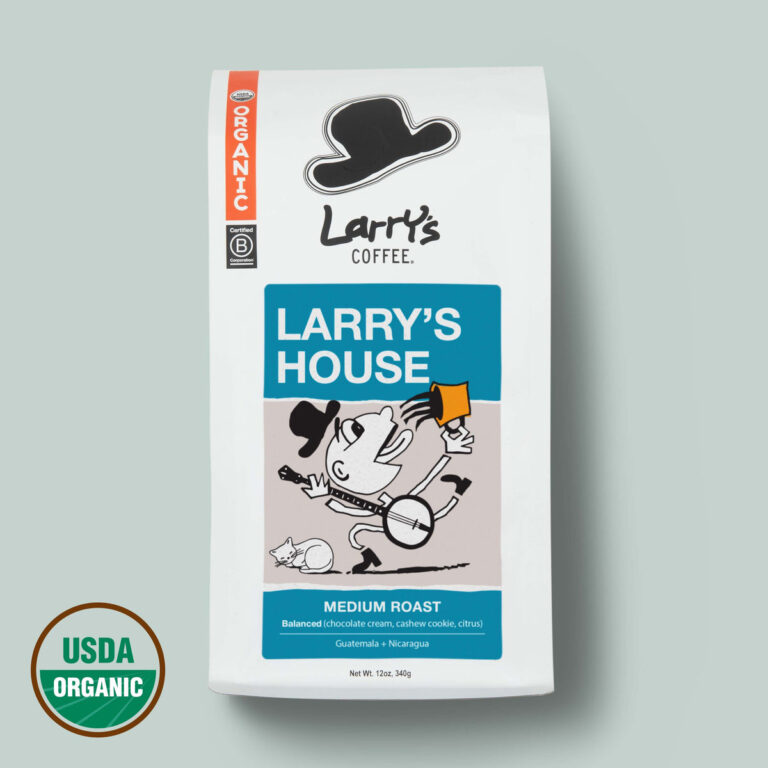
Larry's Coffee Larry’s House Blend
A cozy, nutty medium roast that tastes like chocolate cream and cashew cookies, with just enough orange zest to keep it lively.
- Milk chocolate
- Orange
- Cashew
- Sweet
What it tastes like
This is the blend that’s always in the brewer at Larry’s own roastery in Raleigh, and it drinks like a house coffee should. Larry’s describes “chocolate cream and cashew cookie warmth with a clean citrus lift,” and that’s the whole story in one line: milk chocolate and toasted cashew first, then a bright flick of orange (the roaster’s page also calls it tangerine zest) that wakes up the middle of the sip.
Underneath there’s soft sweetness, gentle acidity and a full, rich body, with a long finish that Larry’s says “nudges you toward another cup.” Larry’s also mentions praline, a little pepper and a tobacco-like warmth, the kind of notes that show up as the cup cools. The rich body is exactly why it holds up so well to milk: the nutty, chocolatey side comes forward and it drinks a bit like a mocha without any syrup.
How to brew it
A drip machine or French press is the sweet spot. Try 1:15 if you’re adding milk so the coffee doesn’t get lost, and 1:16 if you drink it black.
Why it made the list: It’s certified organic and 100% Fair Trade from a Certified B Corp that pays above the Fair Trade minimum through the Cooperative Coffees network. It’s also shade grown, and it’s rated 4.4 out of 5 on Amazon.
- Roast
- Medium
- Origin
- Guatemala and Nicaragua
- Process
- Washed
- Certified
- Organic, Fair Trade, B Corp roaster
- Price
- About $22 for 12 oz
- Best for
- Drip, French press, coffee with milk
03 · Best light roast and best for pour-over
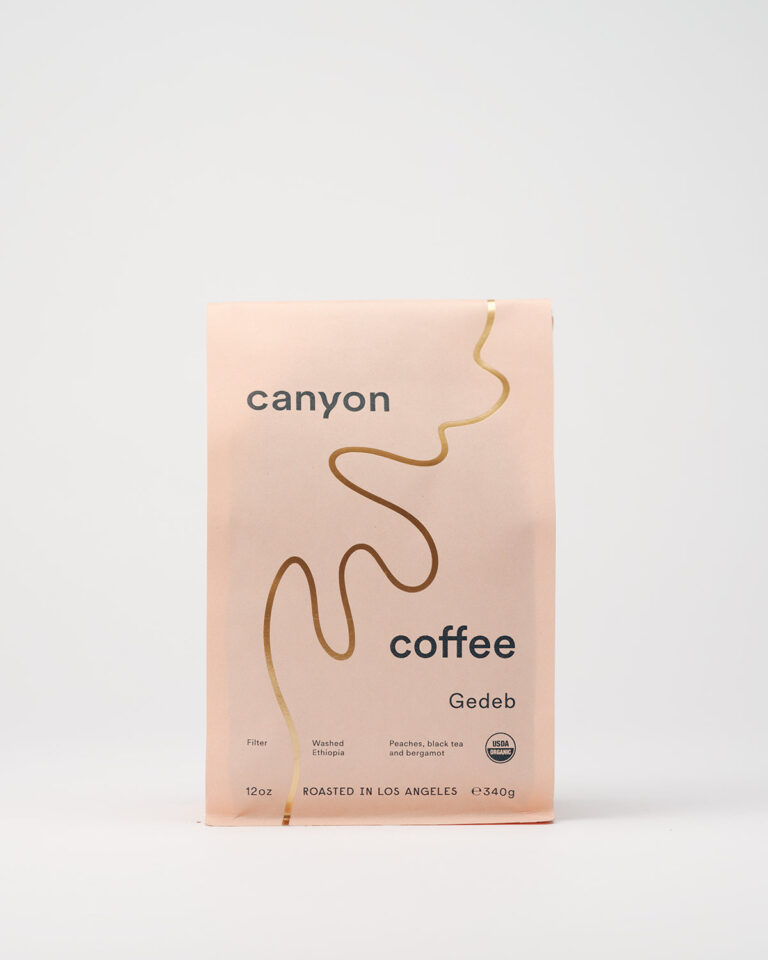
Canyon Coffee Gedeb
A floral, tea-like Ethiopian that tastes like ripe persimmon, lime and Earl Grey. If you’ve never had a fruity coffee, start here.
- Persimmon
- Lime
- Bergamot
What it tastes like
Open the bag and you get florals right away, the classic perfume of a high-grown washed Ethiopian. Canyon’s notes are persimmon, lime and bergamot, and they’re spot on as a map of the cup: a honey-like, almost autumnal sweetness from ripe persimmon (with a faint trace of cinnamon), a smooth lime-like acidity that keeps it juicy instead of sour, and bergamot that gives the whole thing an Earl Grey lift on the finish.
Canyon calls the cup sweet and round, and it reads more like tea than syrup, so it’s a completely different experience from a chocolatey blend. It’s at its most expressive black. A splash of milk will mute the florals, so if you love a creamy latte, pick one of the medium roasts on this list instead.
How to brew it
Use a pour-over (V60, Kalita or Chemex) at about 1:16 with water just off the boil (around 200°F). It also makes a gorgeous, fruity cold brew.
Why it made the list: It comes from SNAP Coffee’s certified organic farms above 2,000 meters in Gedeb, is washed and slowly dried on raised beds, and is rated 4.9 out of 5 from 103 reviews on Canyon’s site. Canyon was also one of the first roasters to sell Regenerative Organic Certified coffee.
- Roast
- Medium-light
- Origin
- Gedeb, Ethiopia (SNAP Coffee), 2,000+ m
- Process
- Washed, raised-bed dried
- Certified
- Organic
- Rating
- 4.9/5 from 103 reviews (roaster site)
- Price
- About $21 for 12 oz
04 · Best dark roast single origin
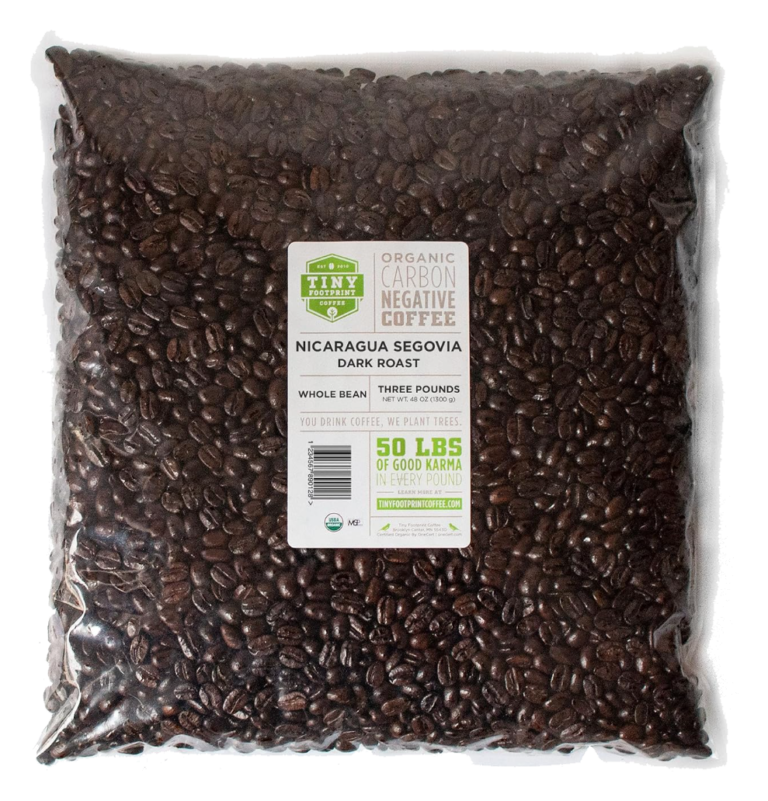
Tiny Footprint Coffee Nicaragua Segovia Dark
A bold, chocolatey dark roast that still lets fruit and spice through, from a co-op in Nicaragua and a roaster that plants trees with every bag.
- Chocolate
- Apricot
- Fig
- Spice
What it tastes like
A lot of dark roasts just taste like “dark.” This one keeps its personality. Tiny Footprint describes sultry, bold dark-roast tones with chocolate, and then bright apricot, dried fig and spice coming through. Think of a dark chocolate bar studded with dried fruit: the roast gives you depth and a little smoky edge, and the fruit keeps it from going flat or bitter.
It has the heavier body you’d expect from a darker roast, which makes it great with milk or in a French press, but there’s enough sweetness from the apricot and fig to enjoy it black. The spice note shows up most in the finish as the cup cools.
How to brew it
French press (coarse grind, 4 minutes) brings out the body; a drip machine keeps it cleaner. It’s also a solid, chocolatey cold brew.
Why it made the list: It’s USDA Organic and Fair Trade, grown at 1,500–1,800 meters by the PRODECOOP cooperative in Nueva Segovia, fully washed and sun dried. It’s also the most-reviewed coffee on this list: 4.5 out of 5 from more than 1,400 Amazon ratings. Part of every sale funds reforestation in Ecuador’s Mindo cloud forest.
- Roast
- Dark
- Origin
- Nueva Segovia, Nicaragua (PRODECOOP)
- Process
- Fully washed, sun dried
- Varieties
- Catuai, Caturra, Bourbon, Typica
- Certified
- USDA Organic, Fair Trade
- Rating
- 4.5/5 from 1,400+ Amazon ratings

05 · Best smooth, low-bitterness everyday cup
Charleston Coffee Roasters Charleston Organic
Bright citrus on top, nutty caramel underneath and a gentle smoky edge: a welcoming medium roast that reviewers keep calling smooth.
- Citrus
- Nutty caramel
- Smoky
What it tastes like
Charleston Organic is a blend of three organic coffees from North, Central and South America, and the roaster pitches it as “smooth, bright and welcoming.” The first thing you notice is a bright citrus note on top, then the cup settles into a nutty, caramel sweetness with a soft, smoky edge in every sip.
The roaster slow-roasts its beans, and the result is a cup people keep describing as smooth, not acidic and free of bitter aftertaste. That makes it an easy recommendation if you usually find coffee too sharp or too harsh. It’s balanced enough to drink black and has enough caramel sweetness to stand up to cream.
How to brew it
Any drip machine will do it justice. If you want to play up the citrus, try a pour-over; for more caramel and body, use a French press.
Why it made the list: It’s rated 4.6 out of 5 from 160 Amazon ratings and 4.93 out of 5 on the roaster’s own site, and the Charleston roaster slow-roasts it to keep the cup smooth.
- Roast
- Medium
- Origin
- Blend from North, Central and South America
- Certified
- Organic
- Rating
- 4.6/5 from 160 Amazon ratings
- Price
- About $17 for 12 oz
- Best for
- Drip, French press
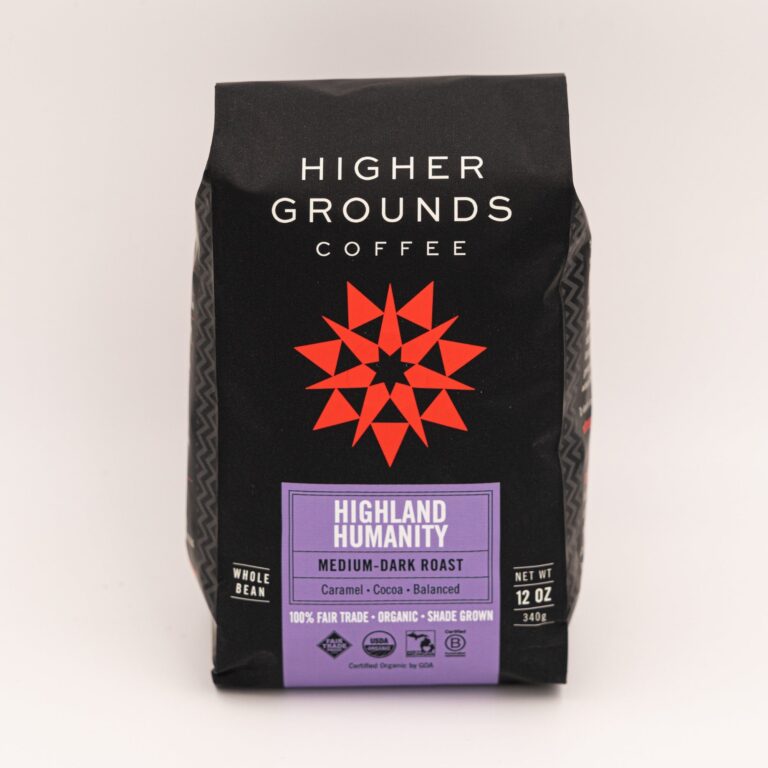
06 · Best medium-dark for French press
Higher Grounds Trading Co. Highland Humanity
A classic, crowd-pleasing medium-dark roast with caramel and cocoa, mellow acidity and a smooth body.
- Caramel
- Cocoa
- Balanced
What it tastes like
Highland Humanity is Higher Grounds’ best seller, and it’s built for people who like a traditional cup. The roaster describes it as balanced, chocolatey and bold, with caramel and cocoa notes, mellow acidity and a smooth body. The medium-dark roast gives you a bit more depth and roastiness than a medium blend without tipping into the smoky, oily territory of a French roast.
It’s the coffee to brew when you want something comforting and familiar. Black, it’s round and cocoa-forward; with milk, the caramel side comes out and it drinks a lot like a caramel latte.
How to brew it
Higher Grounds suggests a 1:17 ratio. A French press or percolator brings out its body; drip keeps it bright and clean.
Why it made the list: It’s USDA Organic, washed coffee from Peru and Mexico, roasted by a Certified B Corp in Traverse City that has been buying directly from farmer co-ops since 2002. Tasting Table named Higher Grounds a Midwest standout in specialty coffee.
- Roast
- Medium-dark
- Origin
- Peru and Mexico
- Process
- Washed
- Certified
- USDA Organic, B Corp roaster
- Price
- About $17 for 12 oz
- Best for
- French press, drip, percolator
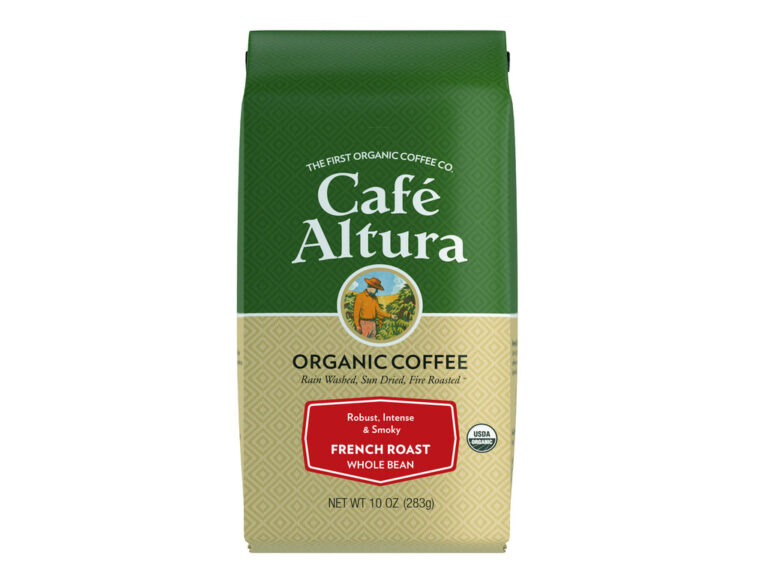
07 · Best French roast
Café Altura Organic French Roast
The darkest bag on our list: oily, roasty and bold, with cocoa and brown sugar and a surprisingly smooth finish.
- Roasty
- Cocoa
- Brown sugar
- Smooth finish
What it tastes like
If you love a truly dark coffee, this is the one. Café Altura calls it its darkest offering, and the beans literally glisten with oil from the long roast. The cup is robust and roasty, with the cocoa and brown-sugar depth Café Altura describes for its dark roasts, the classic French roast profile where the roast itself is the main flavor.
What sets it apart is the finish. Café Altura promises a smooth finish, and reviewers agree, describing it as balanced and never bitter or acidic. It has the full body to stand up to plenty of milk and sugar, which makes it a natural for café-style drinks at home.
How to brew it
Brew it coarse in a French press or percolator, at a medium grind in a drip machine, or fine for a moka pot. Oily dark beans can clog some burr grinders, so clean yours regularly.
Why it made the list: Café Altura calls itself the first organic coffee company: founder Chris Shepherd went to Chiapas, Mexico, in 1980 looking for coffee grown without chemicals. It’s CCOF-certified organic and non-GMO, and it’s still roasted on vintage roasters in Ventura, California.
- Roast
- Dark (French)
- Origin
- Mexico, plus seasonal Central and South American lots
- Process
- Washed
- Certified
- CCOF Organic, Non-GMO
- Price
- About $15 for 10 oz
- Best for
- French press, moka pot, milk drinks
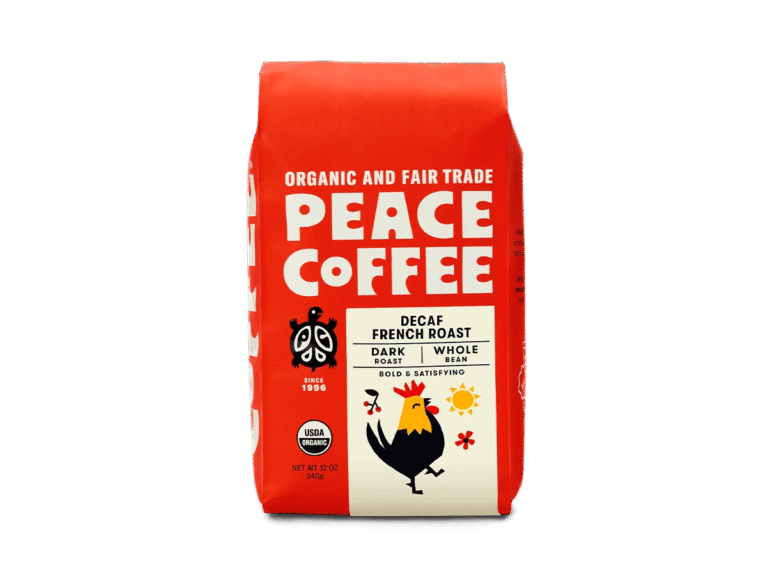
08 · Best organic decaf
Peace Coffee Decaf French Roast
Proof that decaf doesn’t have to be boring: toasted walnut, spice and caramelized sugar, decaffeinated without chemicals.
- Toasted walnut
- Spice
- Caramelized sugar
What it tastes like
Peace Coffee’s promise for this one is that they “removed the caffeine, not the character,” and the tasting notes back it up: toasted walnut, spice and caramelized sugar. The aroma is the fun part, with chocolate brownie, black pepper and a hint of stone fruit, so it smells like a lot more is going on than your average decaf.
In the cup it’s intense and nutty with a sweeter, maltier edge, soft acidity and a gentle body. It’s a dark roast, so it has the roasty depth that makes an evening cup feel like a treat, and it takes milk beautifully.
How to brew it
French press or drip at about 1:16. It also makes a lovely after-dinner moka pot coffee.
Why it made the list: It’s rated a perfect 5.0 out of 5 from 125 reviews on Peace’s site. The beans are organic and Fair Trade from the COMSA cooperative in Marcala, Honduras, and they’re decaffeinated with a chemical-free water process, which matters if you’re buying organic to avoid unnecessary chemicals.
- Roast
- Dark
- Origin
- Marcala, Honduras (COMSA co-op)
- Decaf method
- Water process, chemical-free
- Certified
- Organic, Fair Trade
- Rating
- 5.0/5 from 125 reviews (roaster site)
- Price
- About $18 for 12 oz
What does “organic coffee” actually mean?
In the US, coffee can only carry the USDA Organic seal if it was grown without synthetic pesticides or synthetic fertilizers, on land that’s been free of them for at least three years before harvest, and if every business that handles it, including the roaster, is certified by an accredited certifier. That’s why you’ll sometimes see a certifier named on the bag, like CCOF on Café Altura’s French Roast.
Organic is about how the coffee was farmed. It doesn’t tell you how it will taste, how fresh it is or how well it was roasted. That’s why we treat the certification as the entry ticket and then judge each coffee on flavor, reputation and sourcing.
Other labels worth knowing
- Fair Trade: sets a minimum price and a community premium for farmer co-ops. Peace Coffee, Larry’s and Tiny Footprint all buy Fair Trade.
- Bird Friendly: the Smithsonian’s shade-grown standard. It requires organic certification, plus tree cover that protects migratory birds.
- Regenerative Organic Certified (ROC): the newest and strictest label, layering soil health, animal welfare and farmworker fairness on top of organic. Canyon Coffee was one of the first roasters to sell ROC coffee.
- B Corp: a certification for the company, not the coffee, covering how it treats workers, suppliers and the environment. Peace Coffee, Larry’s and Higher Grounds are all B Corps.
How we picked
We started with certified organic, whole bean coffees from independent roasters, then looked for strong, consistent reviews from real buyers on the roaster’s site, on Amazon or both. From there we picked for range, so there’s a great option whether you like bright and fruity, chocolatey and balanced, or dark and bold, plus a decaf. Tasting notes and sourcing details come from each roaster’s own product page, and we note where a rating comes from. Prices and availability change, so confirm details on the roaster’s site before you buy.
How to choose the right organic coffee for you
- You like it smooth and chocolatey: go medium. Birchwood, Larry’s House Blend and Charleston Organic are all in this lane.
- You like it bright, fruity or floral: go light. Canyon Coffee’s Gedeb is the pick.
- You like it bold and roasty: go dark. Tiny Footprint keeps some fruit, Café Altura goes full French roast.
- You drink it with milk: medium-dark and dark roasts with chocolate or caramel notes hold up best. Try Larry’s House Blend or Highland Humanity.
- You’re cutting caffeine: Peace Coffee’s Decaf French Roast, decaffeinated without chemicals.
How to brew organic coffee at home
- Buy whole beans and grind right before brewing. Ground coffee goes stale in minutes, and the bright notes are the first to disappear. A burr grinder such as the Baratza Encore is the single best upgrade for home coffee.
- Use a ratio of about 1:16. That’s roughly 60 g of coffee per liter of water, or 2 rounded tablespoons per 6 oz cup. Go a little stronger (1:15) if you add milk.
- Use hot, not boiling, water. Aim for about 195–205°F, which is around 30 seconds off the boil, or use a temperature-control kettle like the Fellow Stagg EKG Pro.
- Match the grind to the brewer. Coarse for French press and cold brew, medium for drip, medium-fine for pour-over, fine for moka pot and espresso.
- Store beans airtight and away from light and heat. Skip the fridge, and try to finish a bag within three to four weeks of the roast date.
Organic coffee FAQ
Is organic coffee actually better than regular coffee?
Organic doesn’t automatically mean better tasting, but it does mean the coffee was grown without synthetic pesticides and fertilizers, on land that’s been free of them for at least three years before harvest. The coffees on this list are organic and also great coffee, which is the combination you want: clean farming plus careful sourcing and roasting.
Does organic coffee taste different?
Not because it’s organic. Flavor comes from where the coffee was grown, the variety, how it was processed and how it was roasted. That’s why our picks range from a floral, citrusy Ethiopian to an oily, roasty French roast. Pick by flavor first, then use the organic seal to narrow it down.
What should I look for on the bag?
Look for a certification such as the USDA Organic seal (or a named certifier like CCOF), a roast date rather than just a best-by date, and whole beans if you can grind at home. Fair Trade, Bird Friendly and Regenerative Organic Certified are good extras if you care about farmer pay and the land.
What’s the best organic coffee for a drip machine?
Peace Coffee’s Birchwood Breakfast Blend, our Editor’s Choice, is the easiest all-rounder. Larry’s House Blend and Charleston Organic are also excellent medium roasts that taste great from an ordinary drip machine.
What’s the best organic decaf?
Peace Coffee’s Decaf French Roast. It’s rated 5.0 out of 5 from 125 reviews on the roaster’s site and is decaffeinated with a chemical-free water process, which is what you want if you’re choosing organic in the first place.
Is organic coffee worth the extra money?
Most of the coffees here cost about $15 to $22 for a 10–12 oz bag, which is in line with good specialty coffee in general. The organic premium is usually small, and it supports farming without synthetic chemicals and, in many cases, better pay for farmer co-ops.