
Wilton Benitez grows the Tabi variety at 1,900 meters in Piendamó, Cauca, and processes it with sterilized cherry, an inoculated anaerobic fermentation and a thermal shock before drying it in the fruit.
Shop this coffee at JBC Coffee Roasters
Confirm current stock and price at the roaster.
You buy directly from the roaster, not from us. Some links may earn us a commission at no extra cost to you. Read our disclosure.
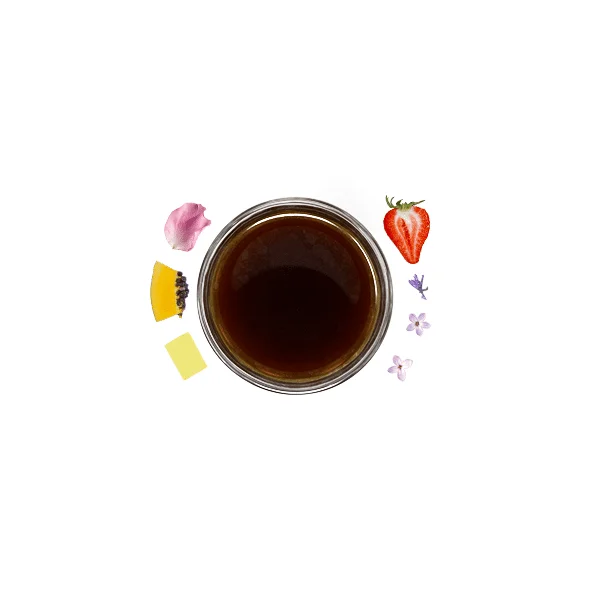
Juicy Fruit gum, papaya, strawberry, perfumy florals
- Origin
- Piendamó, Cauca, Colombia
- Process
- Thermal Shock Anaerobic Natural
- Roast
- Light
- Roaster
- JBC Coffee Roasters
Roast level
About this coffee
What the roaster tells us.
Wilton Benitez grows the Tabi variety at 1,900 meters in Piendamó, Cauca, and processes it with sterilized cherry, an inoculated anaerobic fermentation and a thermal shock before drying it in the fruit. JBC lists Juicy Fruit gum, papaya, strawberry and perfumy florals. It’s sold in 8 oz bags.
Product details checked 2026-10-29. Roaster descriptions can change between lots. Tasting notes describe sensory impressions, not a guarantee of how your brew will taste.
Where it’s from
Piendamó, Cauca, Colombia
RoasterJBC Coffee Roasters
OriginPiendamó, Cauca, Colombia
ProcessThermal Shock Anaerobic Natural
RoastLight
From farm to cup
Where it grew, how it was made, how it’s roasted.
Straight from the roaster’s listing — no guesswork added.
Step 01 · OriginGrown
Piendamó, Cauca, Colombia
Step 02 · ProcessProcessed
Thermal Shock Anaerobic Natural
Step 03 · RoastRoasted
Light
Before you buy
Is it right for you?
You’ll like it if…
- You enjoy bright, fruity coffees.
- You like delicate, floral or tea-like flavors.
- You brew pour-over or drip and like a lighter body.
- You want to try something unusual.
Maybe skip it if…
- You want a dark, roasty, classic cup.
- You want coffee that tastes only of the bean, without fermentation-driven flavors.
The details
- Variety
- Tabi
- Altitude
- 1,900 m
- Producer or farm
- Wilton Benitez
- Bag size
- 8 oz bag
- Price
- $28.00
- Price per ounce
- $3.50 per oz
From the roaster’s listing, checked October 29, 2026. Prices change.
About coffee from Colombia
Colombia is one of the world's largest arabica producers, and many regions get two harvests a year. High-altitude areas like Huila and Nariño are known for sweet, balanced coffees with caramel and fruit, and Colombian producers are behind many of today's experimental fermentations.
What the process means
Thermal shock is an experimental method where the coffee is soaked in hot and then cold water during processing to change how it ferments. It's used to push sweet, intense, fruity flavors.
How to brew it
Starting recipes for this roast level. Adjust grind and ratio to taste; the roaster’s own guidance always wins.
| Method | Coffee | Water | Grind | Water temp | Time |
|---|---|---|---|---|---|
| Pour-over Our pick | 15 g | 250 g | Medium-fine | 96°C / 205°F | 2:30–3:30 |
| French press | 30 g | 500 g | Coarse | 96°C / 205°F | 4 minutes |
| Cold brew | 100 g | 800 g | Coarse | Cold water | 12–18 hours in the fridge |
The people behind this coffee
Meet JBC Coffee Roasters
JBC Coffee Roasters was founded in Madison, Wisconsin in 1994 as Johnson Brothers Coffee Roasters by Michael Johnson, a licensed Q grader, and is co-owned by Laura Salinger-Johnson. The roastery now roasts only light, buying lots directly from producers and through like-minded importers, with a heavy focus on Colombian, Ethiopian, Kenyan and Central American microlots. Coffee Review has named a JBC coffee its No. 1 coffee of the year three times: Finca La Mula Panama Geisha (97) in 2015, Wilton Benitez Pink Bourbon (98) in 2023 and Flor Blanca Geisha Colombia (98) in 2025. JBC has also won multiple Good Food Awards and has had more than 340 coffees rated 90 points or higher by Coffee Review. Its rotating menu of experimental processes and classic washed coffees gives home brewers a steady supply of competition-level lots at everyday bag prices.
All JBC Coffee Roasters coffees
Espresso starting point
Dial it in
A 1:2 dose-to-yield ratio is a common place to start. Adjust grind and taste — the roaster’s own guidance always wins.
In18g
Out36g
Time25–30s
Compare
Similar coffees from other roasters
| Coffee | Roast | Origin | Tasting notes |
|---|---|---|---|
| JBC Coffee Roasters Wilton Benitez Tabi Natural This coffee | Light | Piendamó, Cauca, Colombia | Juicy Fruit gum, papaya, strawberry, perfumy florals |
| Volcanica Coffee Colombia La Constancia | Light | Colombia, Quindío | Lemongrass, black tea, stone fruit, honeydew |
| Onyx Coffee Lab Geometry | Light | Colombia, Ethiopia | Berries, stone fruit, Earl Grey, honeysuckle |
| Black & White Coffee Roasters Huver Castillo – Gesha Floral | Lighter | Buesaco, Nariño, Colombia | White flowers, bergamot, peach, black tea |
Questions
JBC Coffee Roasters Wilton Benitez Tabi Natural FAQ
What does JBC Coffee Roasters Wilton Benitez Tabi Natural taste like?
JBC Coffee Roasters lists tasting notes of juicy fruit gum, papaya, strawberry and perfumy florals. It's a light roast.
Where does JBC Coffee Roasters Wilton Benitez Tabi Natural come from?
It comes from Piendamó, Cauca, Colombia. The producer is Wilton Benitez. It was grown at 1,900 m.
How is JBC Coffee Roasters Wilton Benitez Tabi Natural processed?
The roaster lists the process as thermal shock anaerobic natural. Thermal shock is an experimental method where the coffee is soaked in hot and then cold water during processing to change how it ferments.
Is JBC Coffee Roasters Wilton Benitez Tabi Natural good for espresso?
It can be pulled as espresso, but it's roasted light for filter brewing, so expect bright, tart shots. It shines most as pour-over or drip.
What's the best way to brew JBC Coffee Roasters Wilton Benitez Tabi Natural?
A good starting point is pour-over: 15 g of coffee to 250 g of water, medium-fine grind, water at 96°C / 205°F, about 2:30–3:30. Adjust to taste.
Where can I buy JBC Coffee Roasters Wilton Benitez Tabi Natural?
You can buy it from JBC Coffee Roasters. Prices and availability change, so check the current listing before you order.
Same roaster
More from JBC Coffee Roasters
JBC Coffee Roasters
Kibingo Burundi
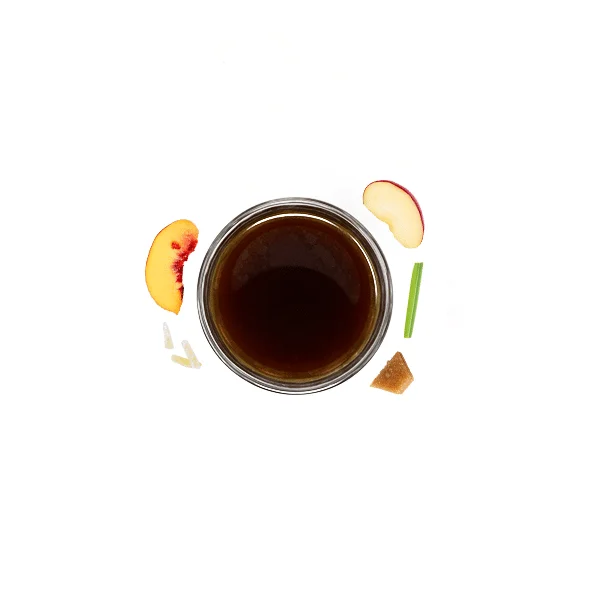
Peach ginger purée, Honeycrisp apple, panela, lemongrass
Read more about Kibingo Burundi
Buy it here
JBC Coffee Roasters
Twisted V.9 Espresso Blend
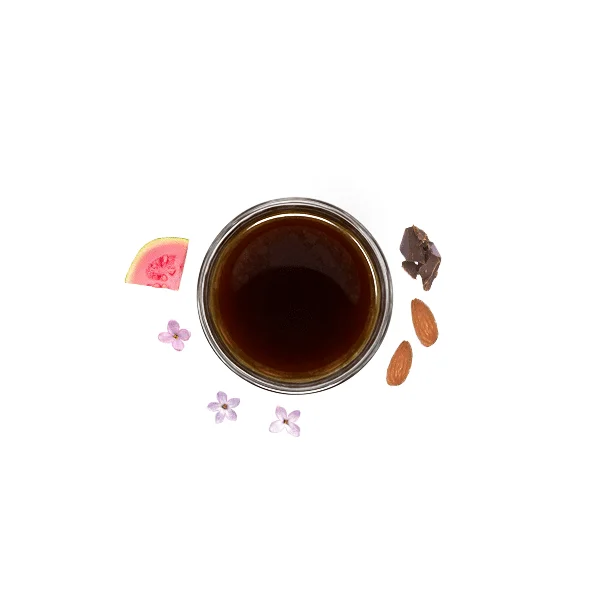
Guava, lilac, candied almond, Tootsie Roll
Read more about Twisted V.9 Espresso Blend
Buy it here
JBC Coffee Roasters
Wilton Benitez Tabi Natural
Juicy Fruit gum, papaya, strawberry, perfumy florals
Read more about Wilton Benitez Tabi Natural
Buy it here
Wilton Benitez Tabi NaturalJuicy Fruit gum, papaya, strawberry, perfumy florals
Shop at JBC Coffee Roasters