
Find Good Coffee for Espresso At Home
Every espresso-friendly coffee we feature, in one place. Filter by flavor, roast and roaster to find beans that pull a sweet, balanced shot on your home machine.
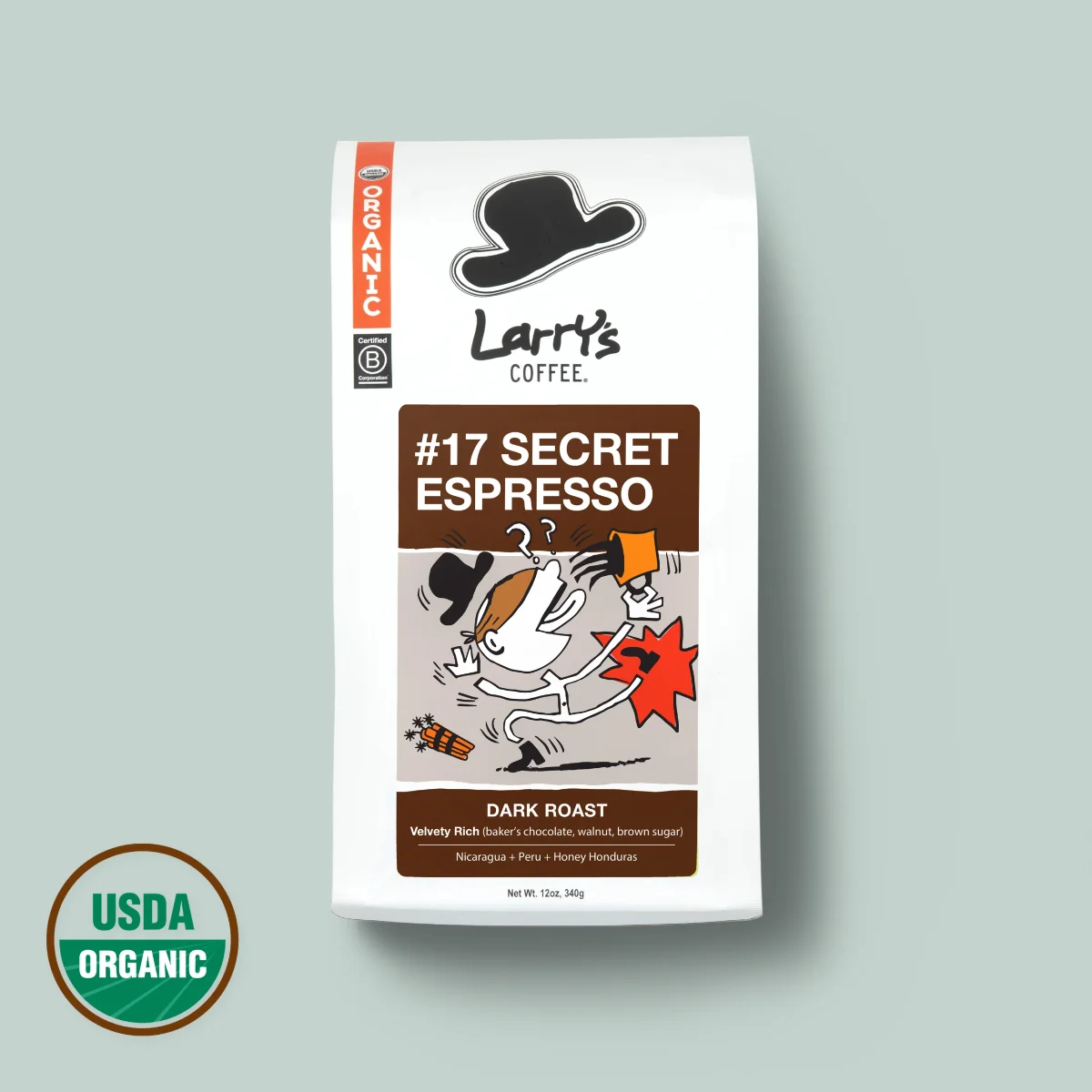
#17 Secret Espresso
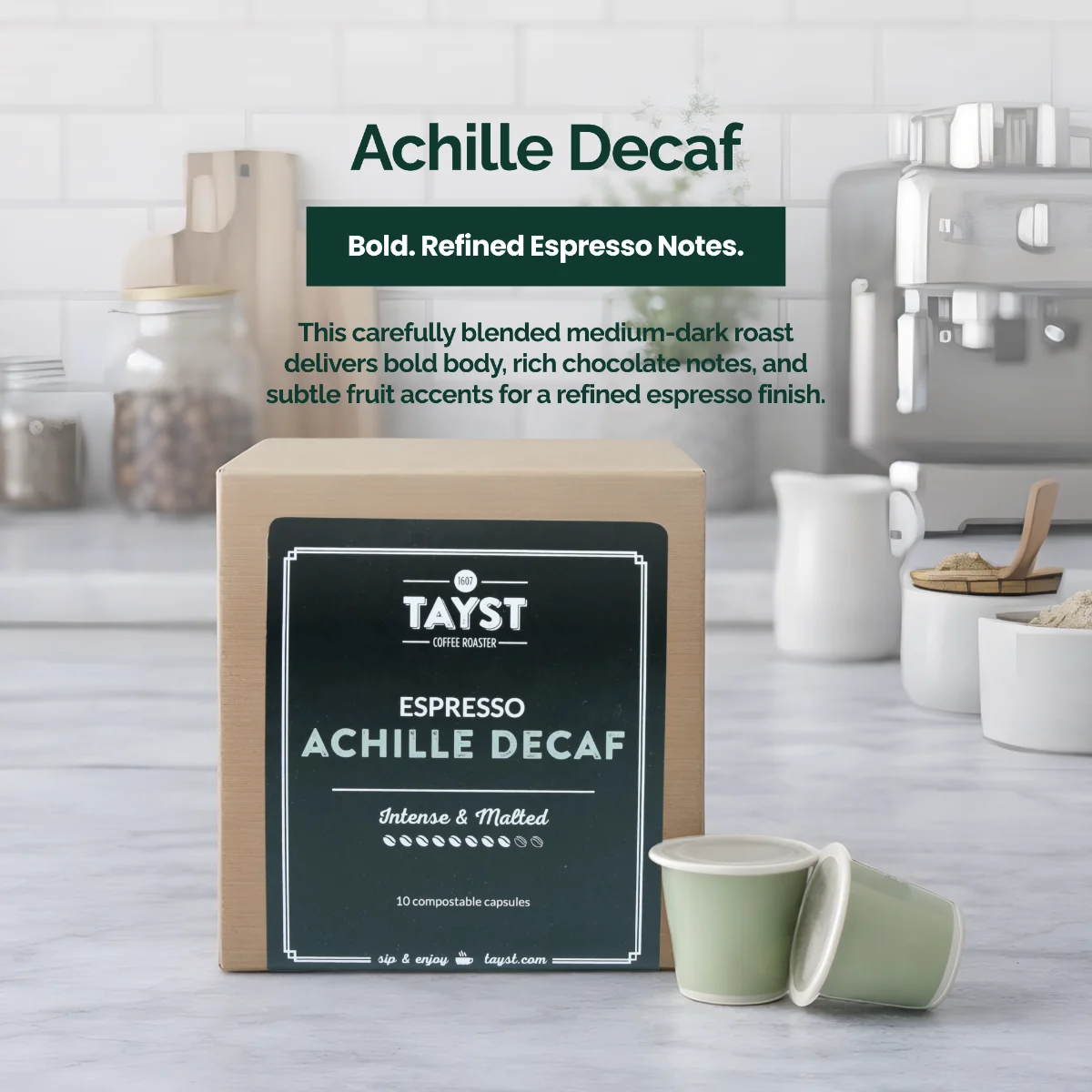
Achille Decaf Espresso
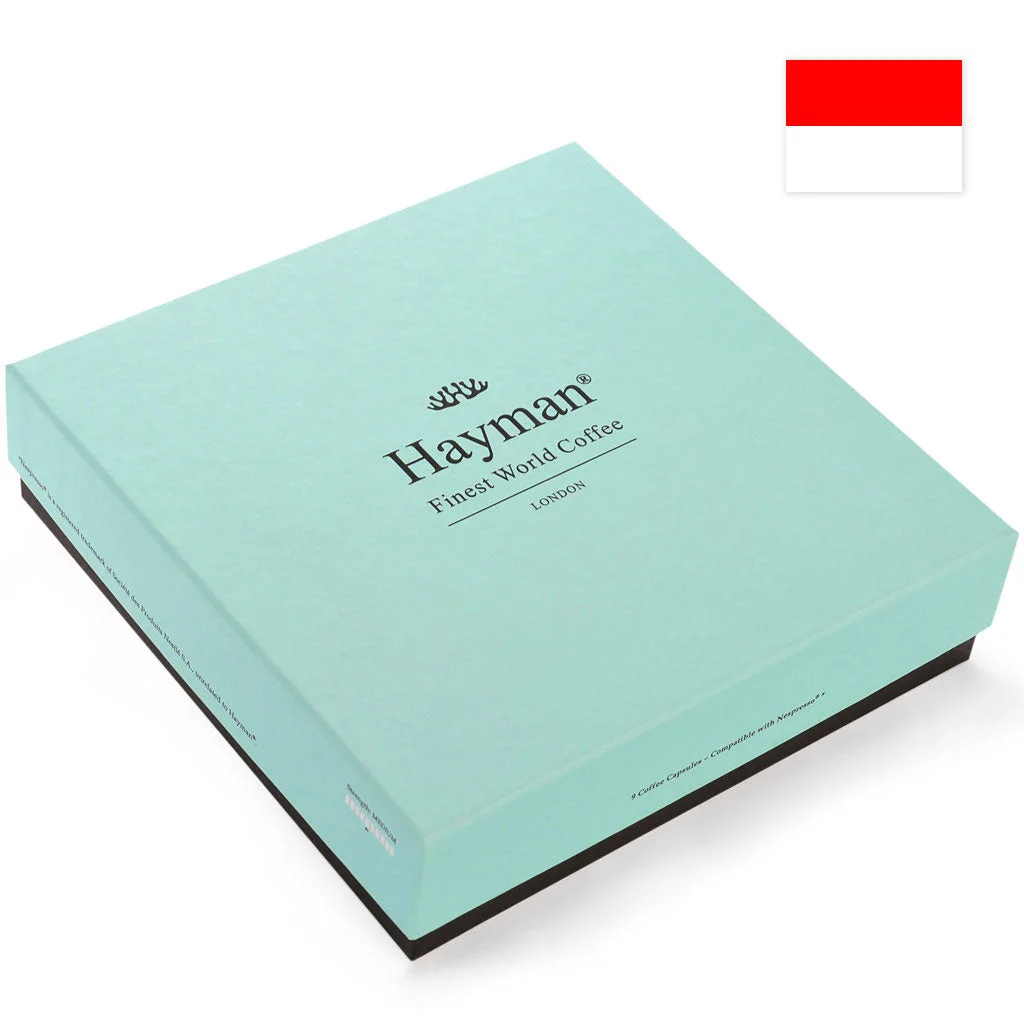
Bali Karana Kintamani Espresso Roast
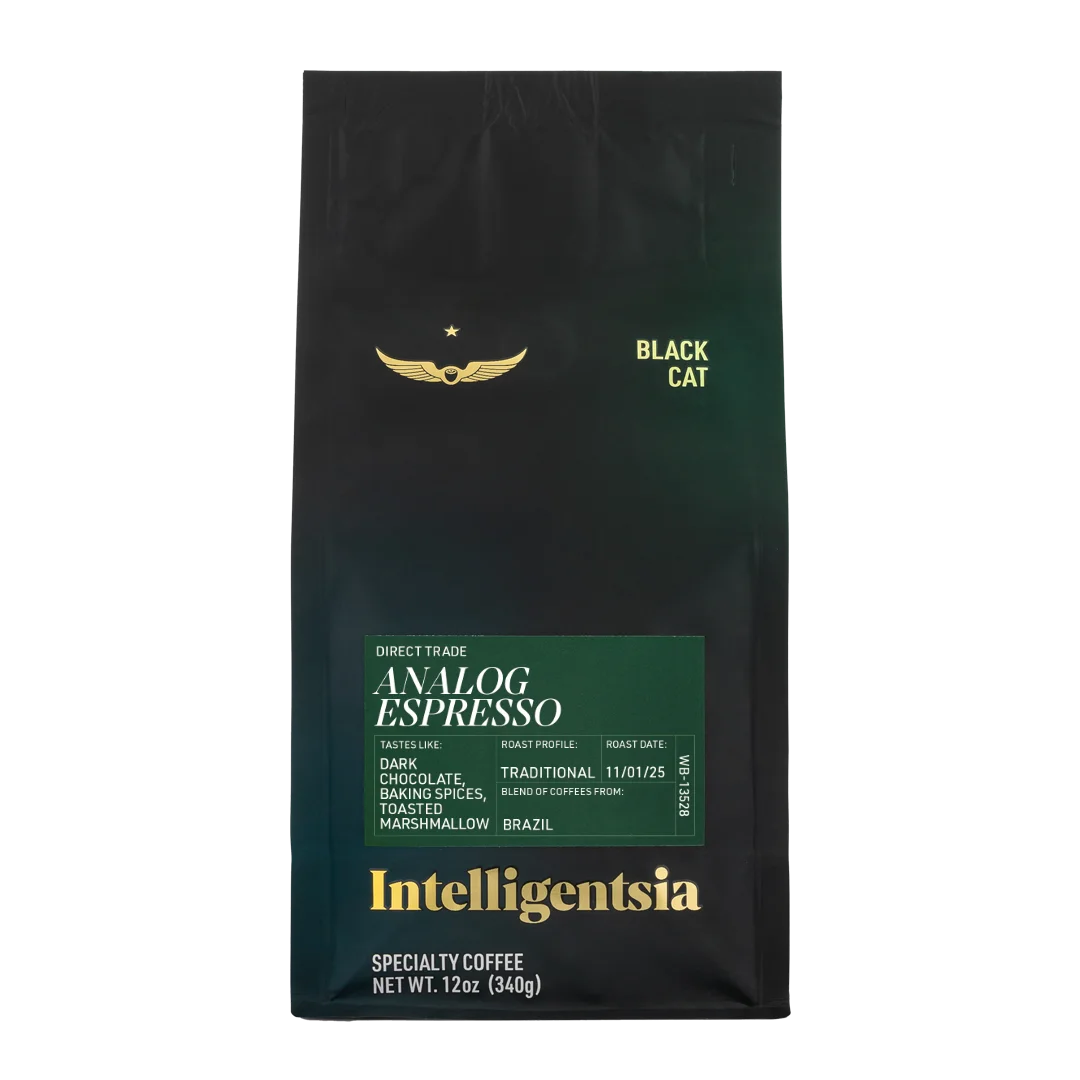
Black Cat Analog Espresso
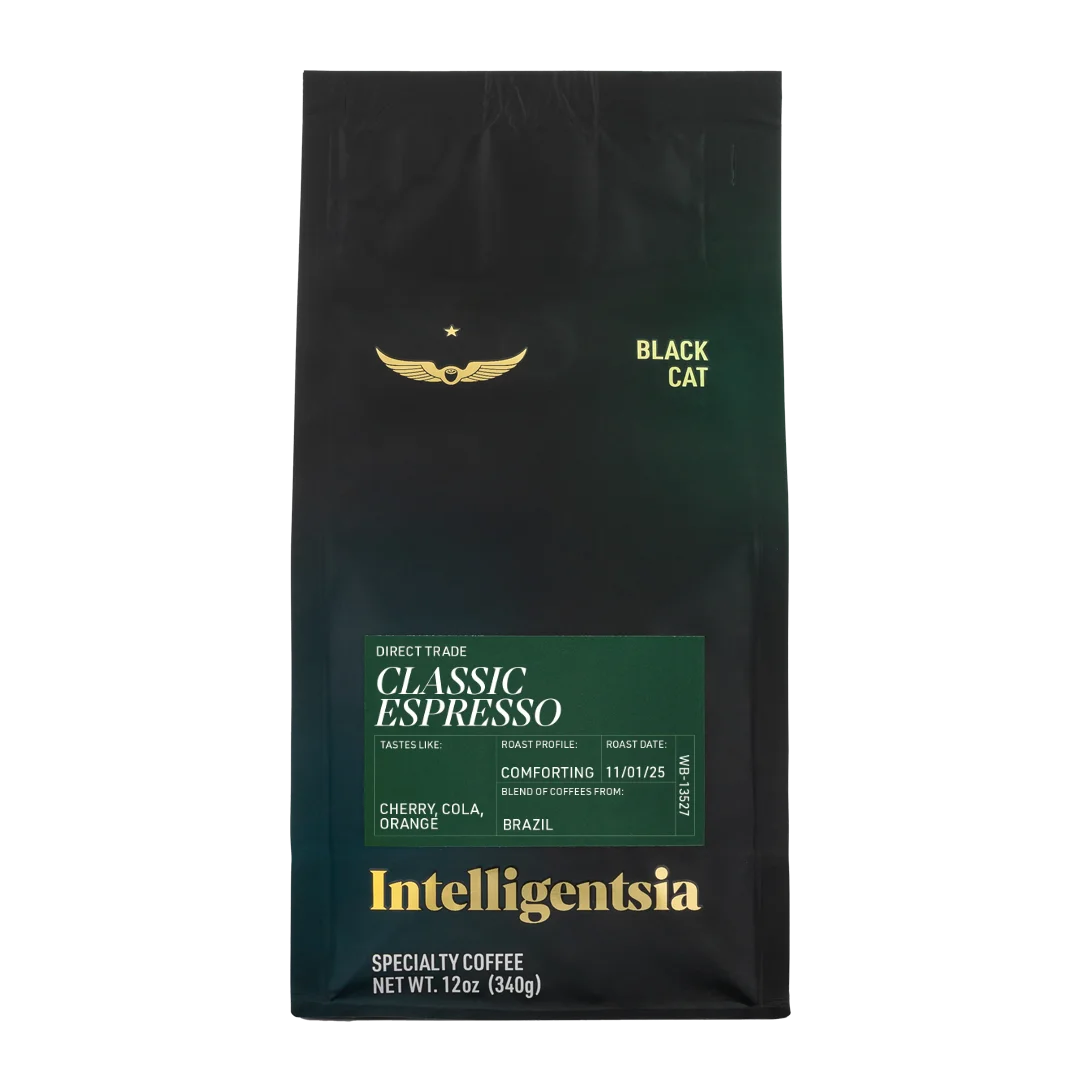
Black Cat Classic Espresso
Colombia Altos de Quitumpamba Chiroso
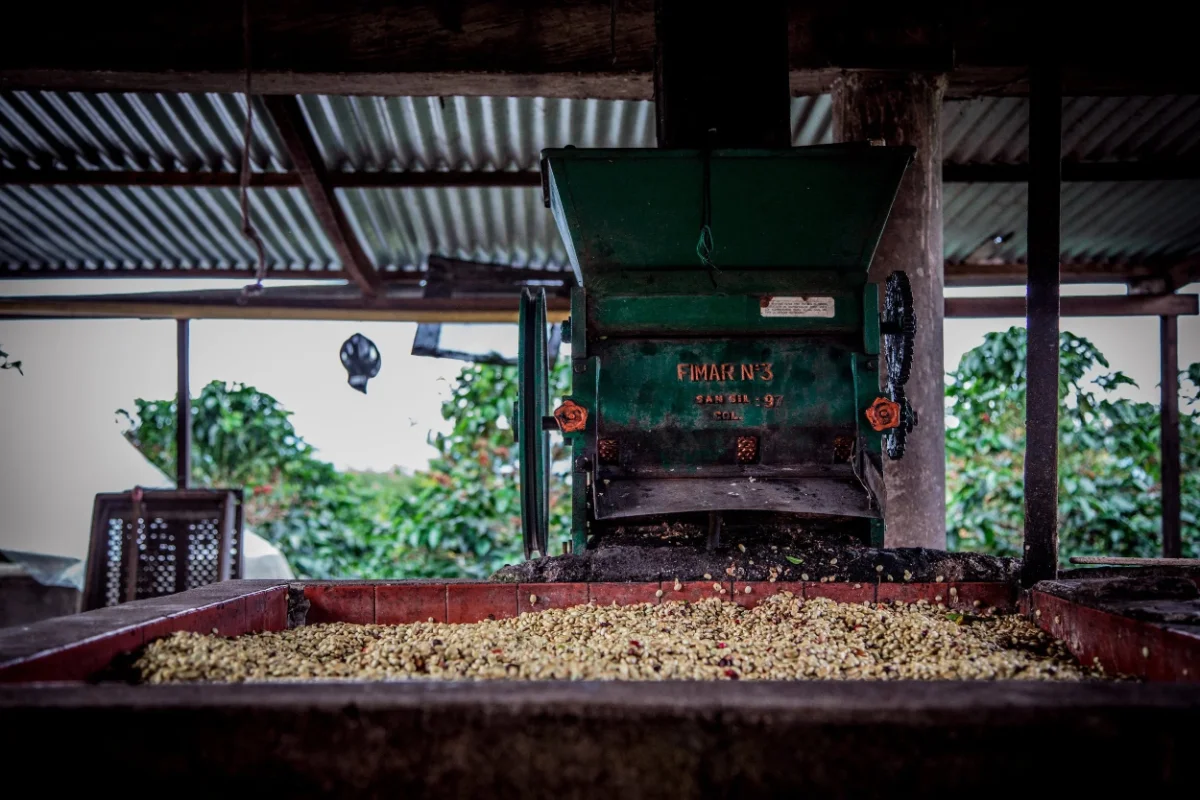
Colombia Asprotimana Mujeres

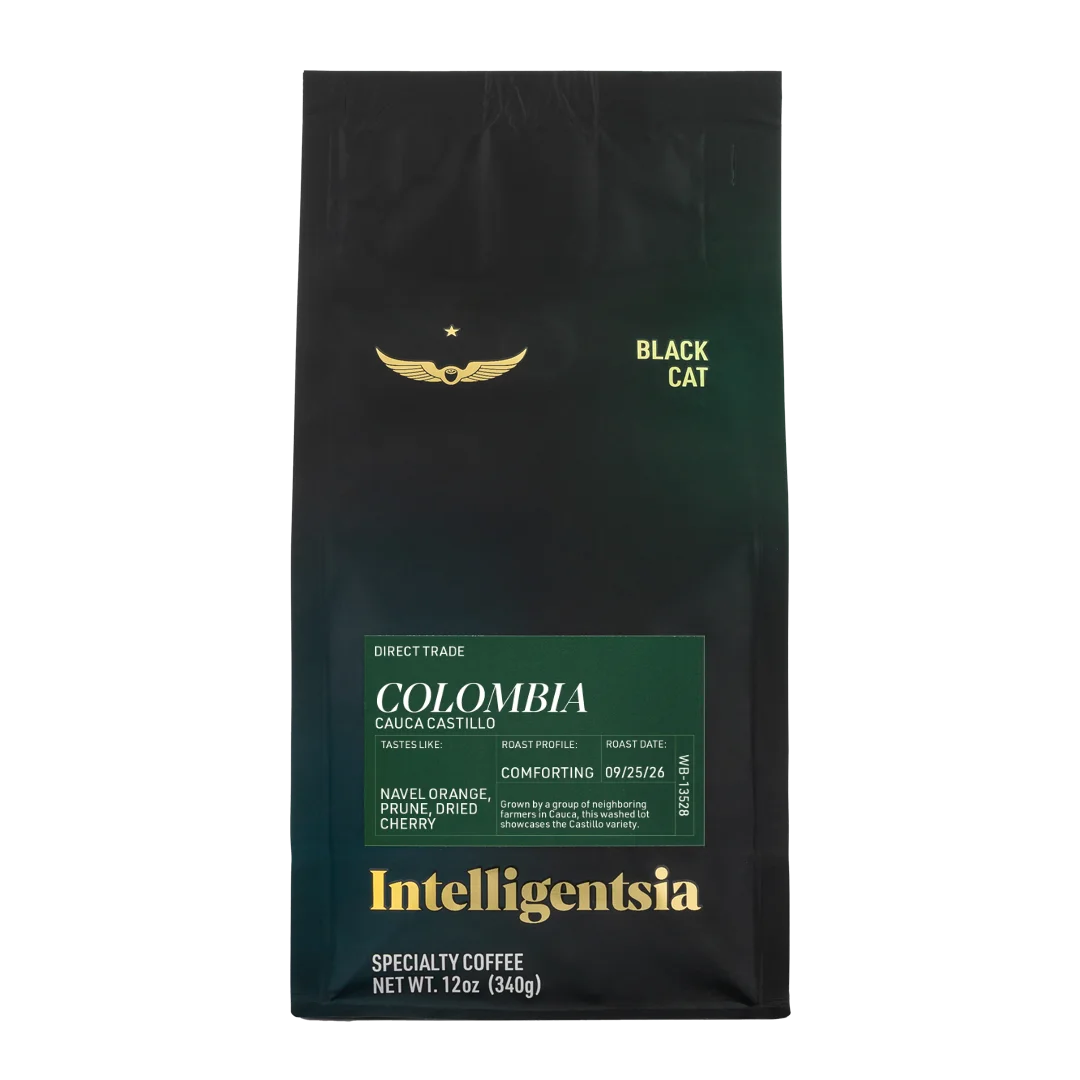
Colombia Cauca Castillo Single Origin Espresso

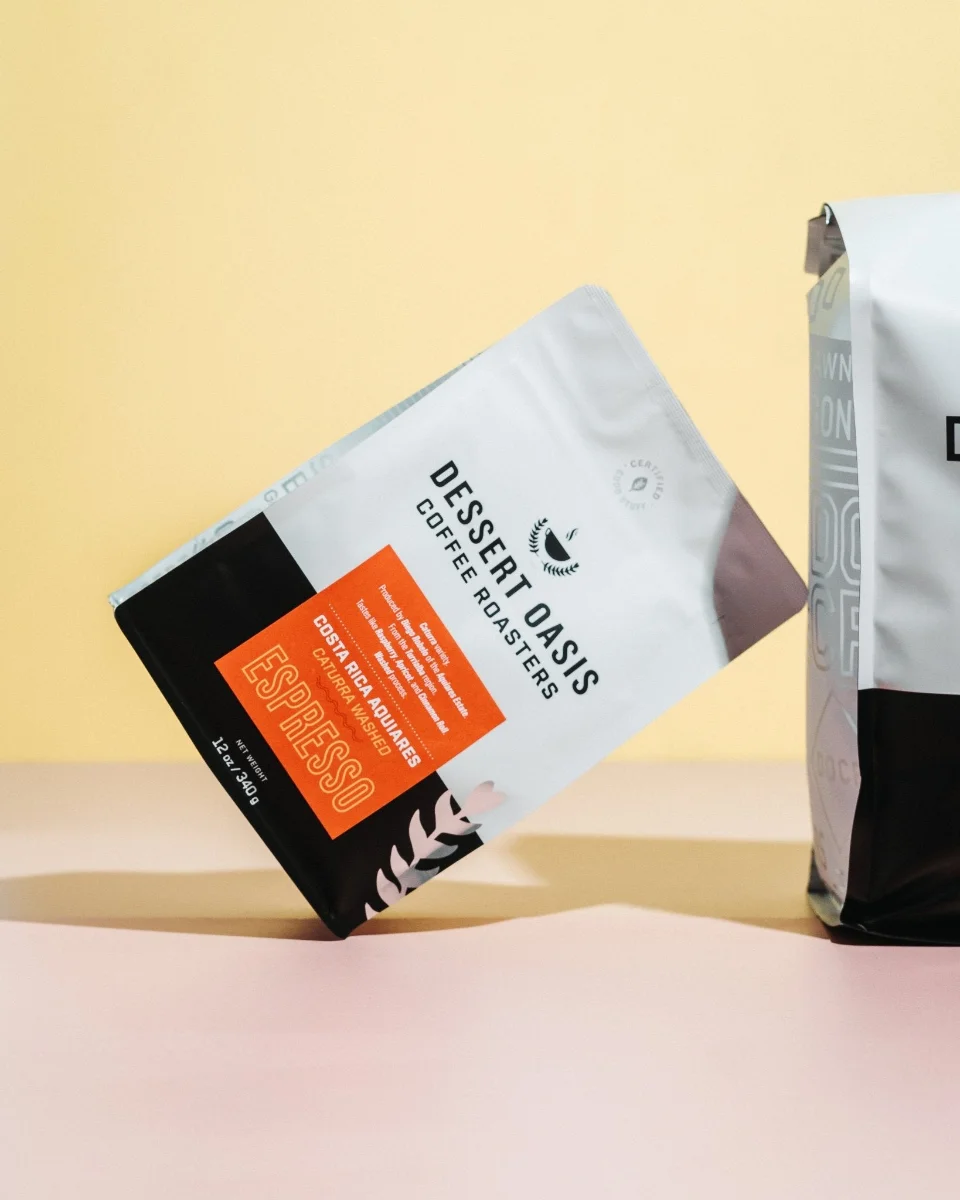
Costa Rica Aquiares Estate Caturra Espresso
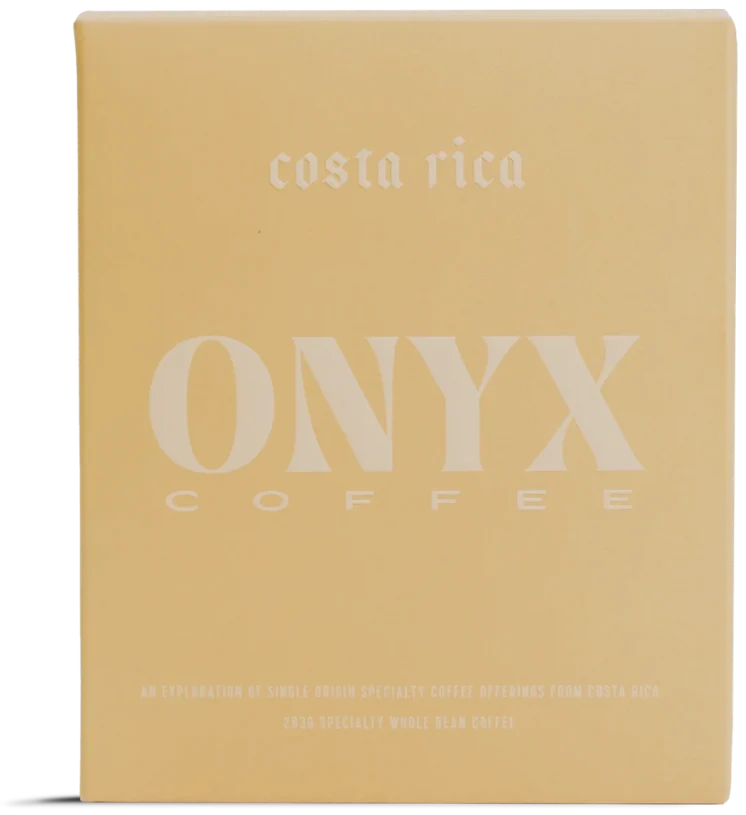
Costa Rica Las Lajas Natural
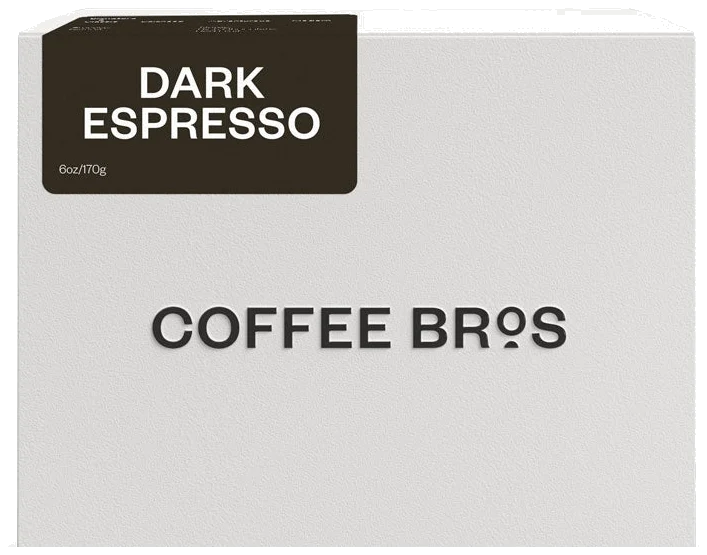
Dark Espresso Roast Coffee
Decaf Colombia El Vergel Co-Ferment
Decaf Colombia Sebastian Ramirez Red Fruits

Decaf Espresso – Peru Norandino

Ecuador Jose Jijon
Ecuador La Papaya Anaerobic

El Salvador Santa Rosa Honey

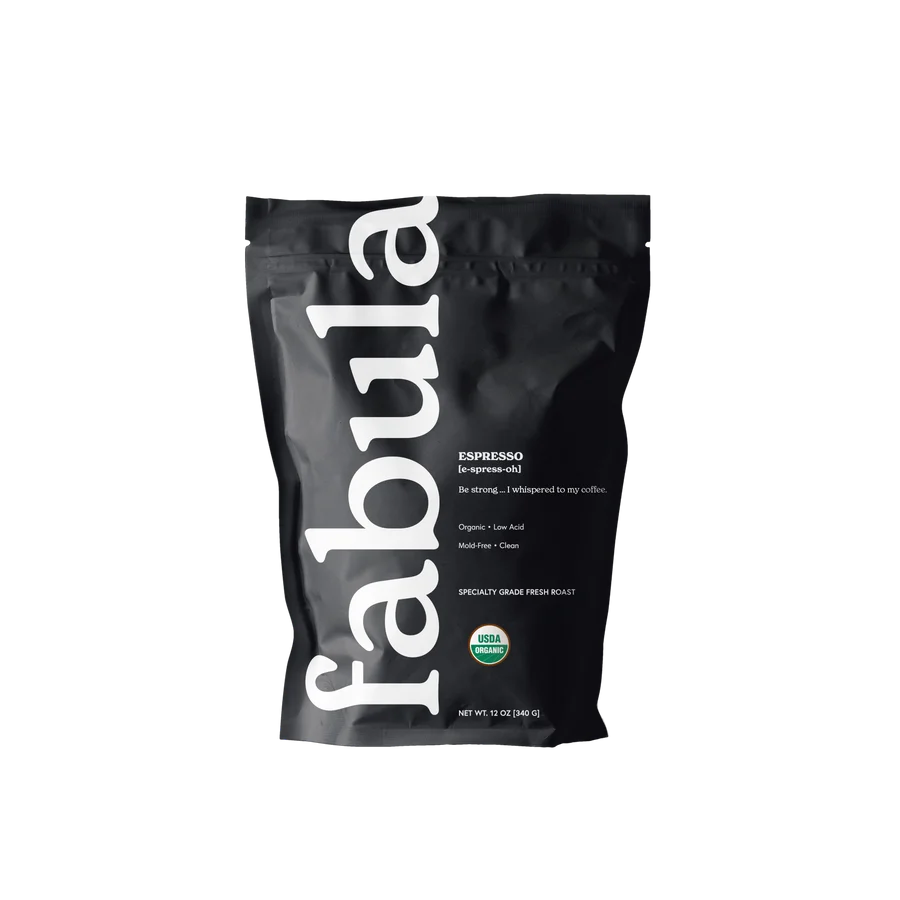
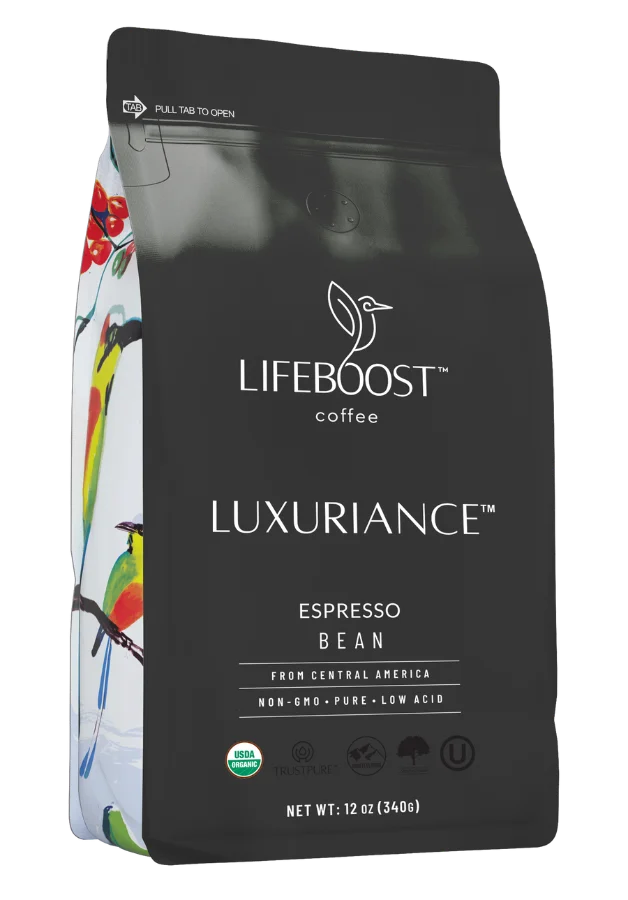
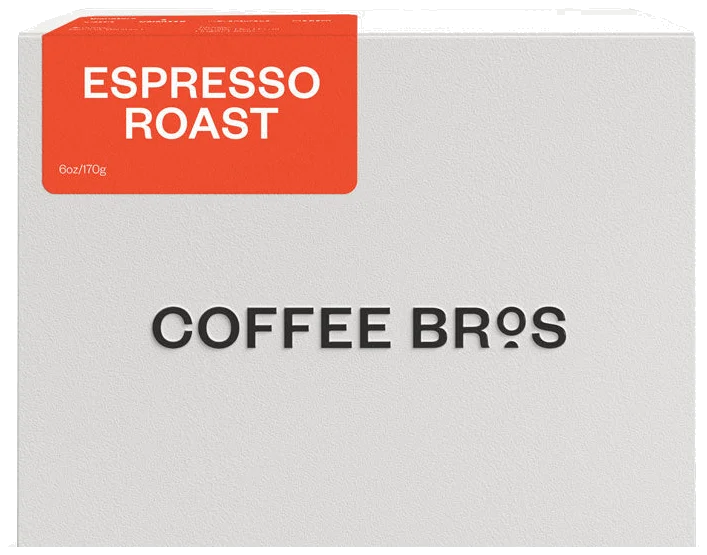
Espresso Roast Coffee

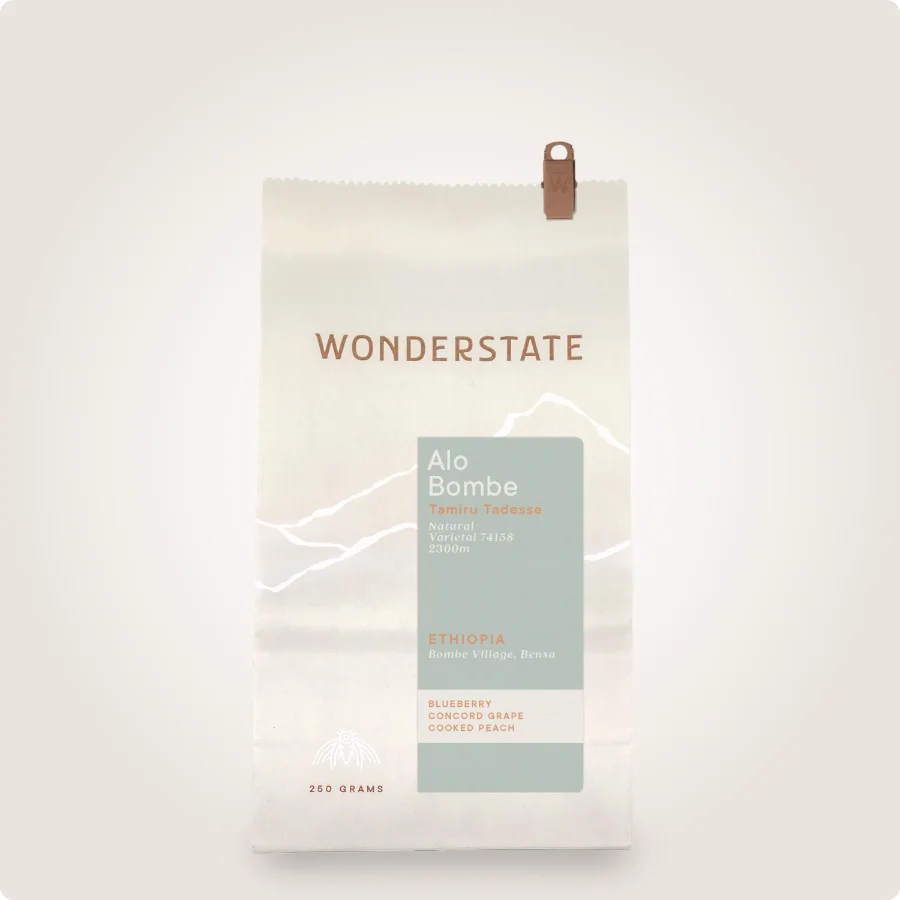
Ethiopia Alo Bombe
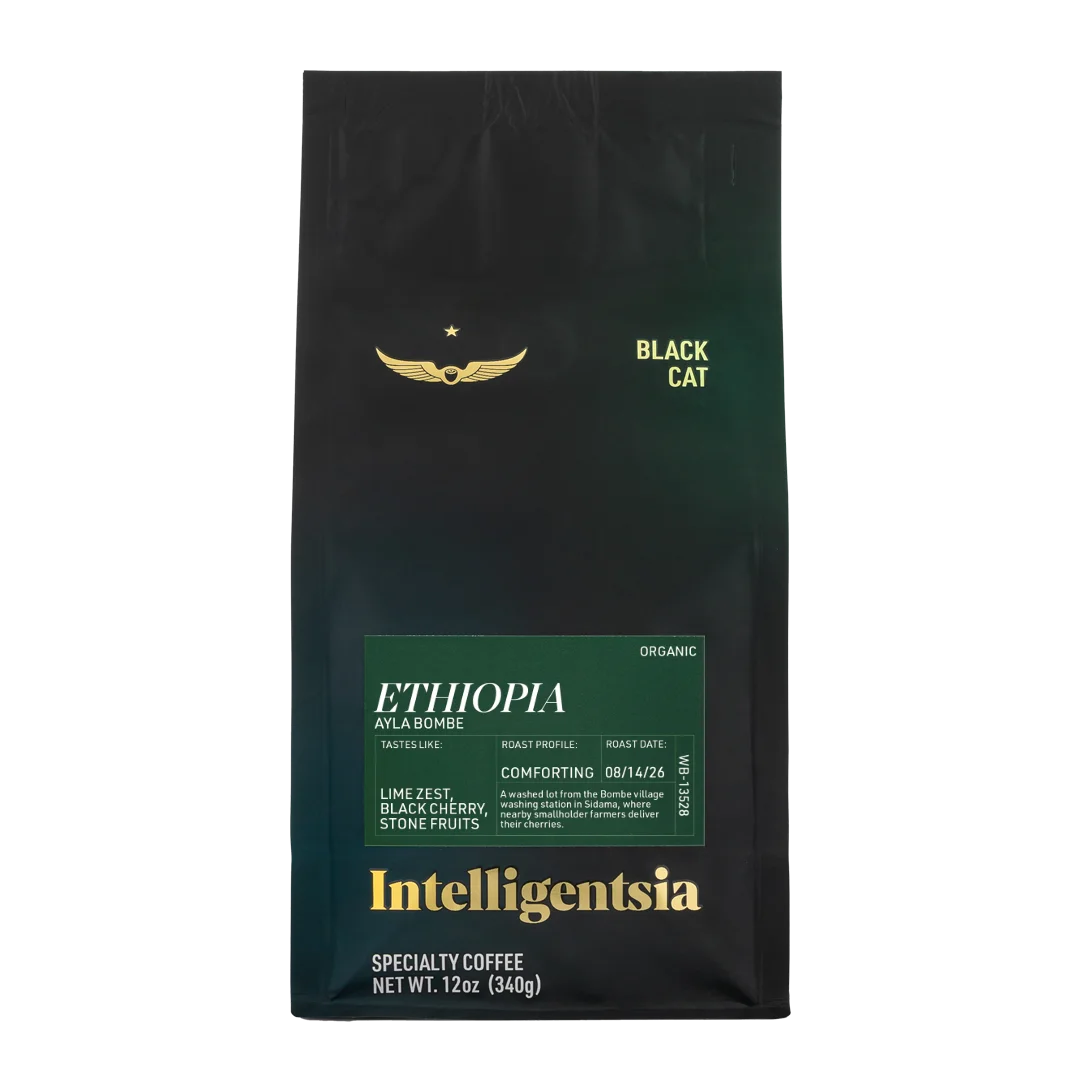
Ethiopia Ayla Bombe Single Origin Espresso

Ethiopia Mullugeta Muntasha Natural

Ethiopia Shakiso Wessi Station Natural
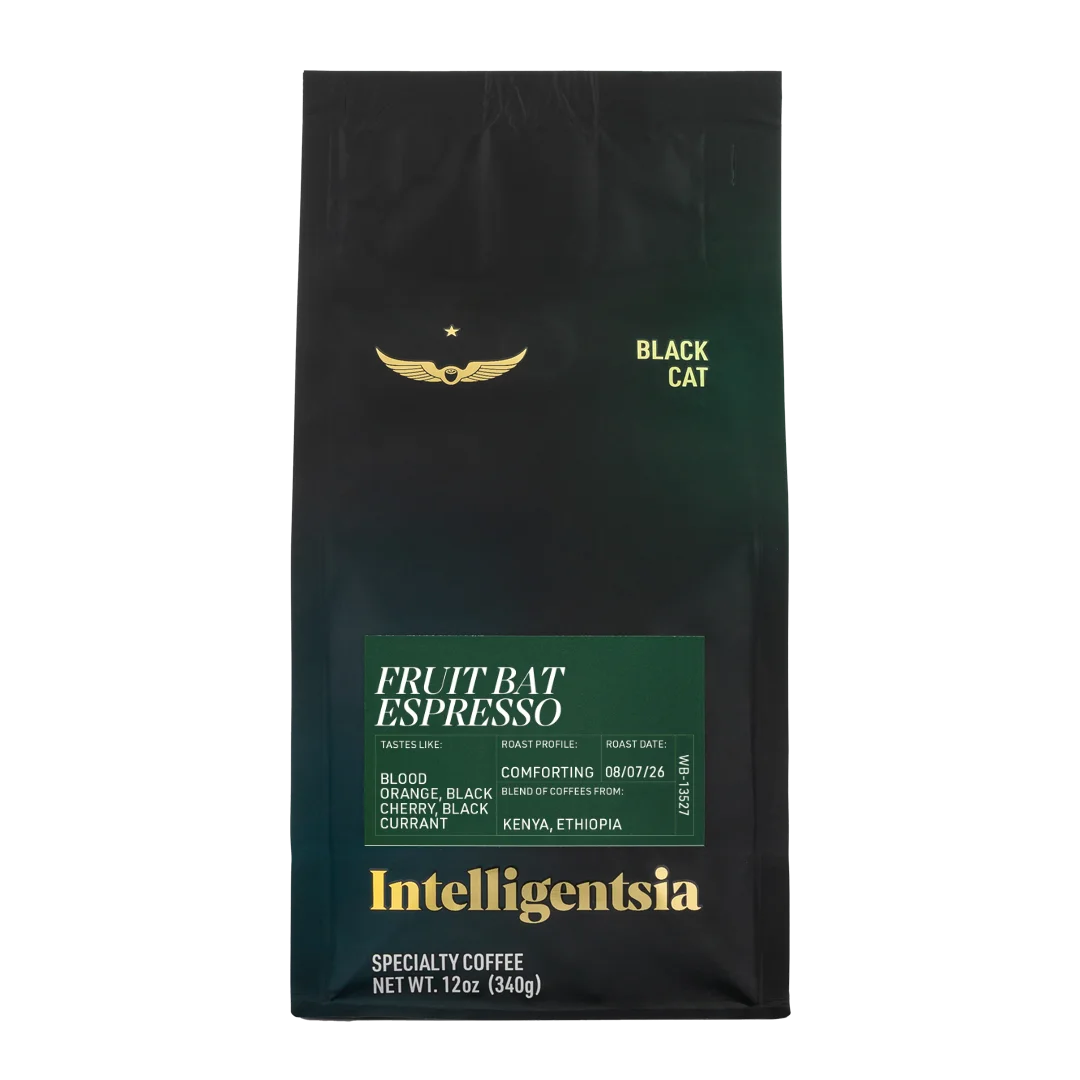
Fruit Bat Espresso
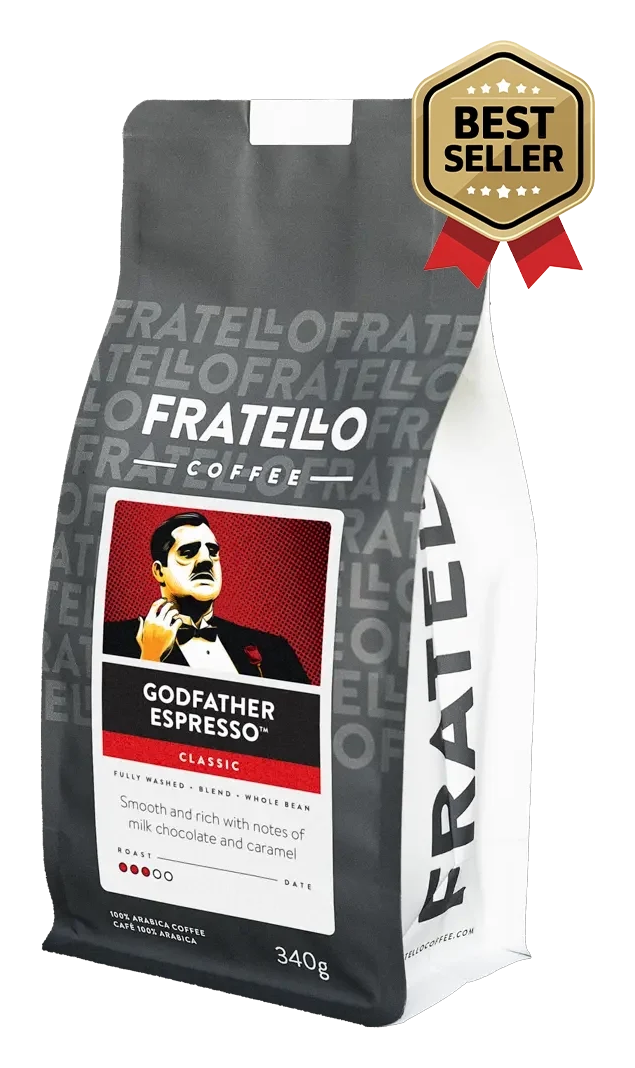
Godfather Espresso Classic
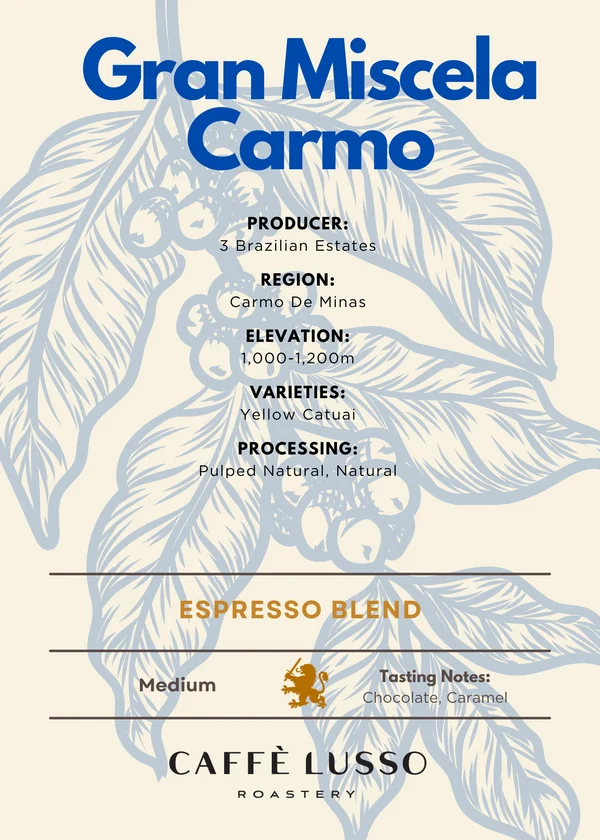
Gran Miscela Carmo Espresso Blend
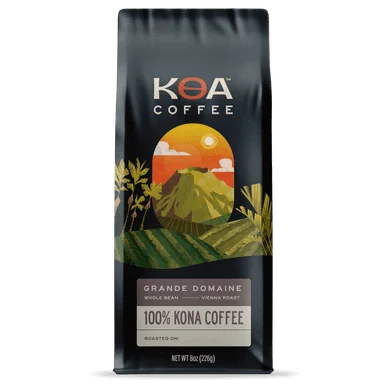
Grande Domaine Kona Vienna Roast
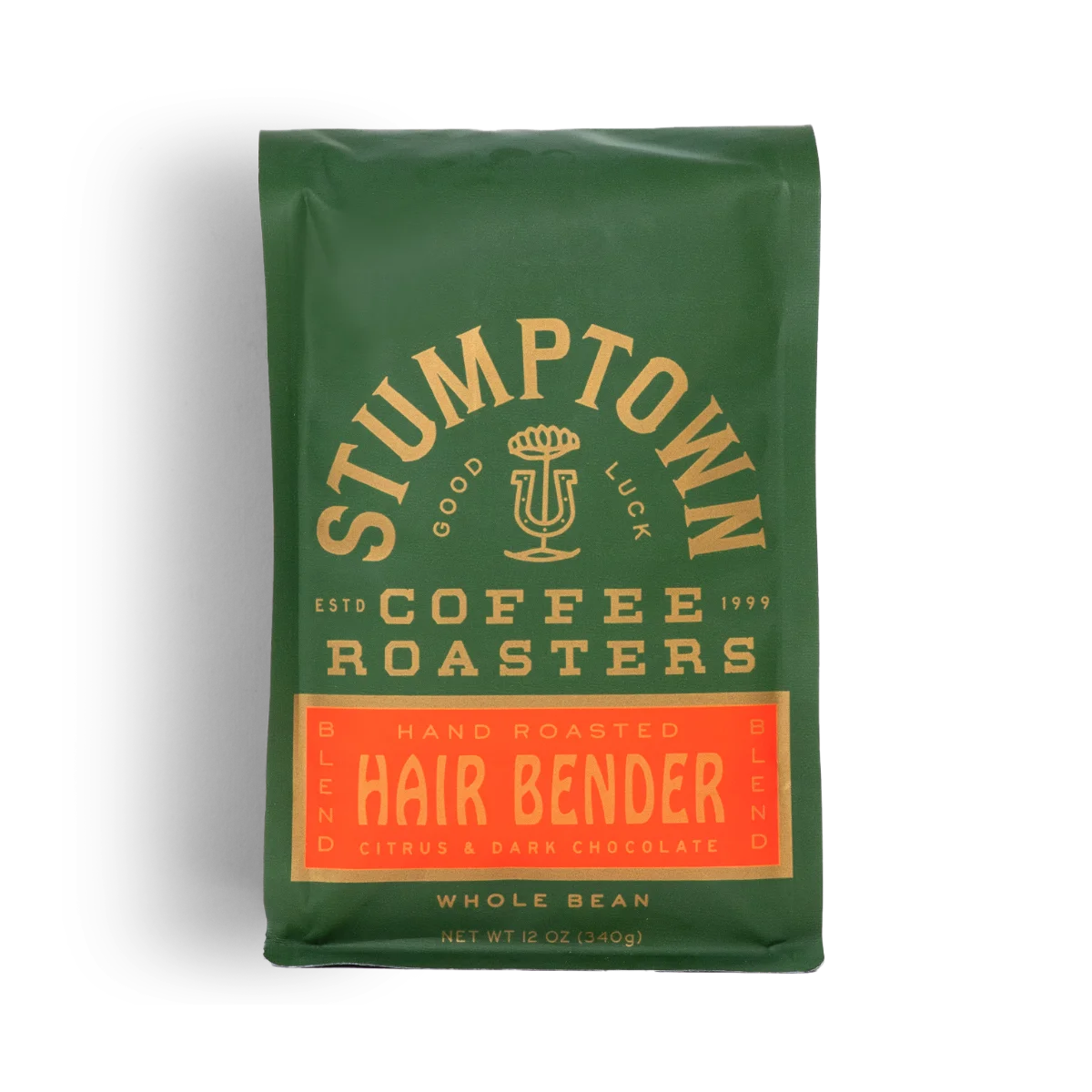
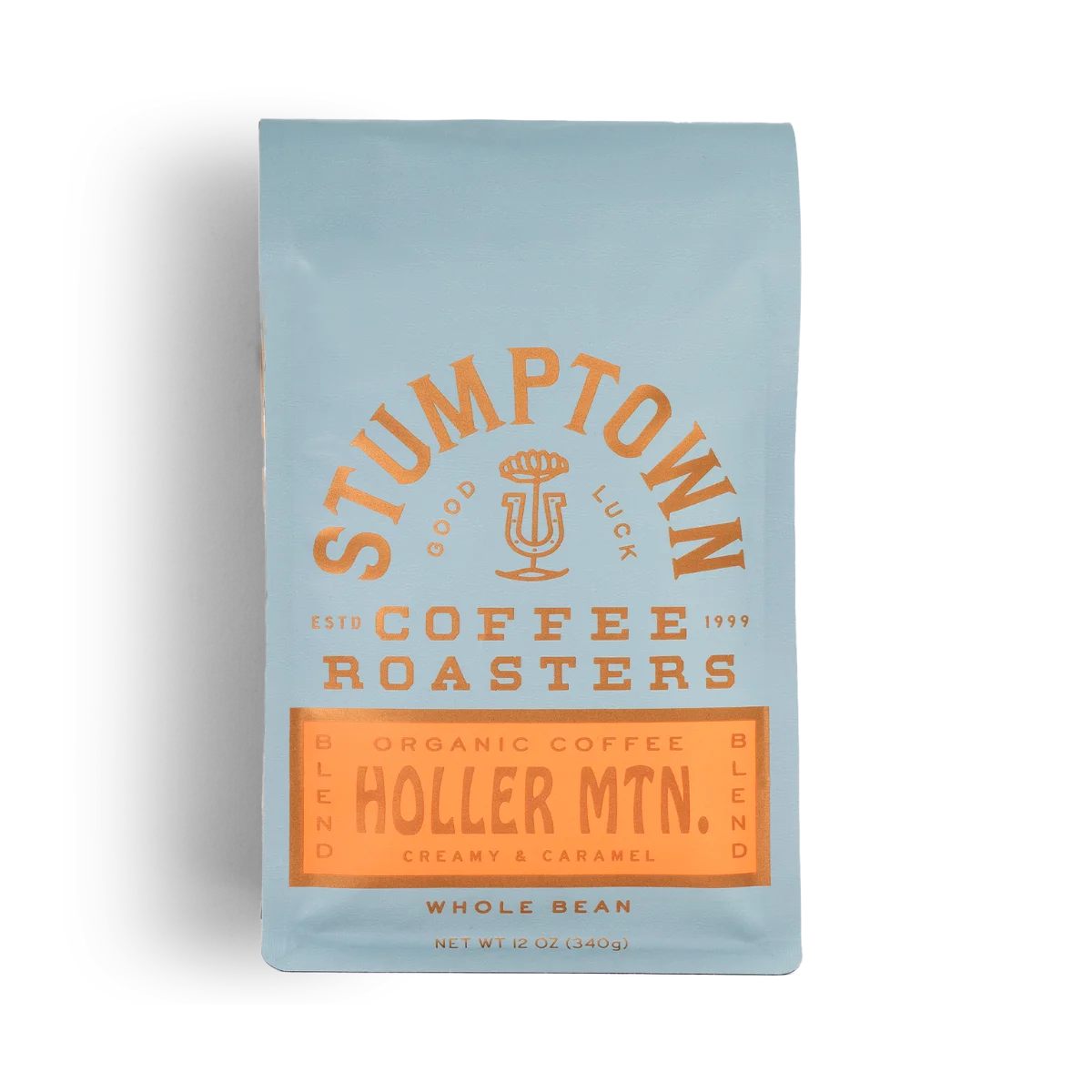

Honduran Espresso Blend
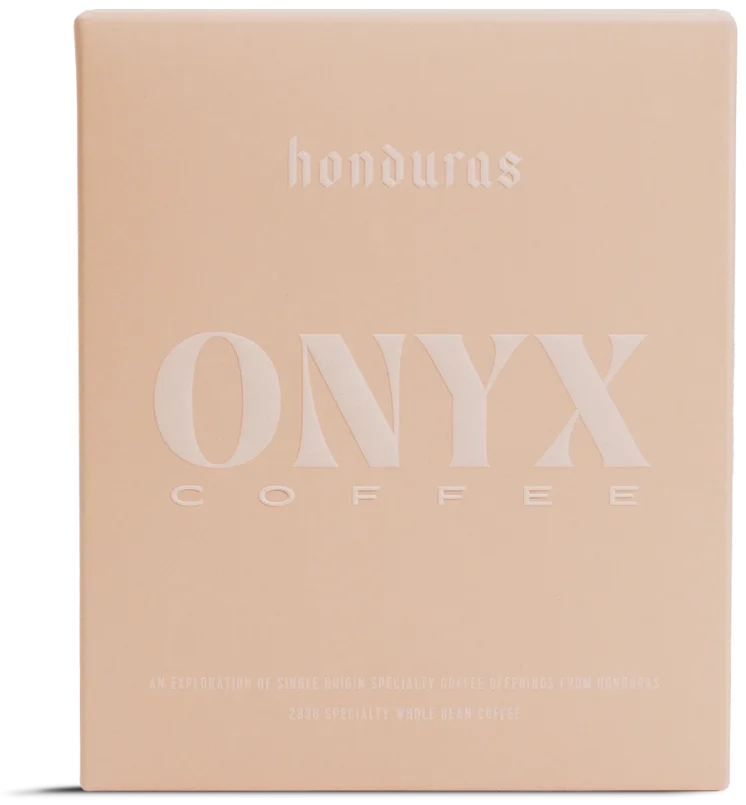
Honduras Fredy Perez
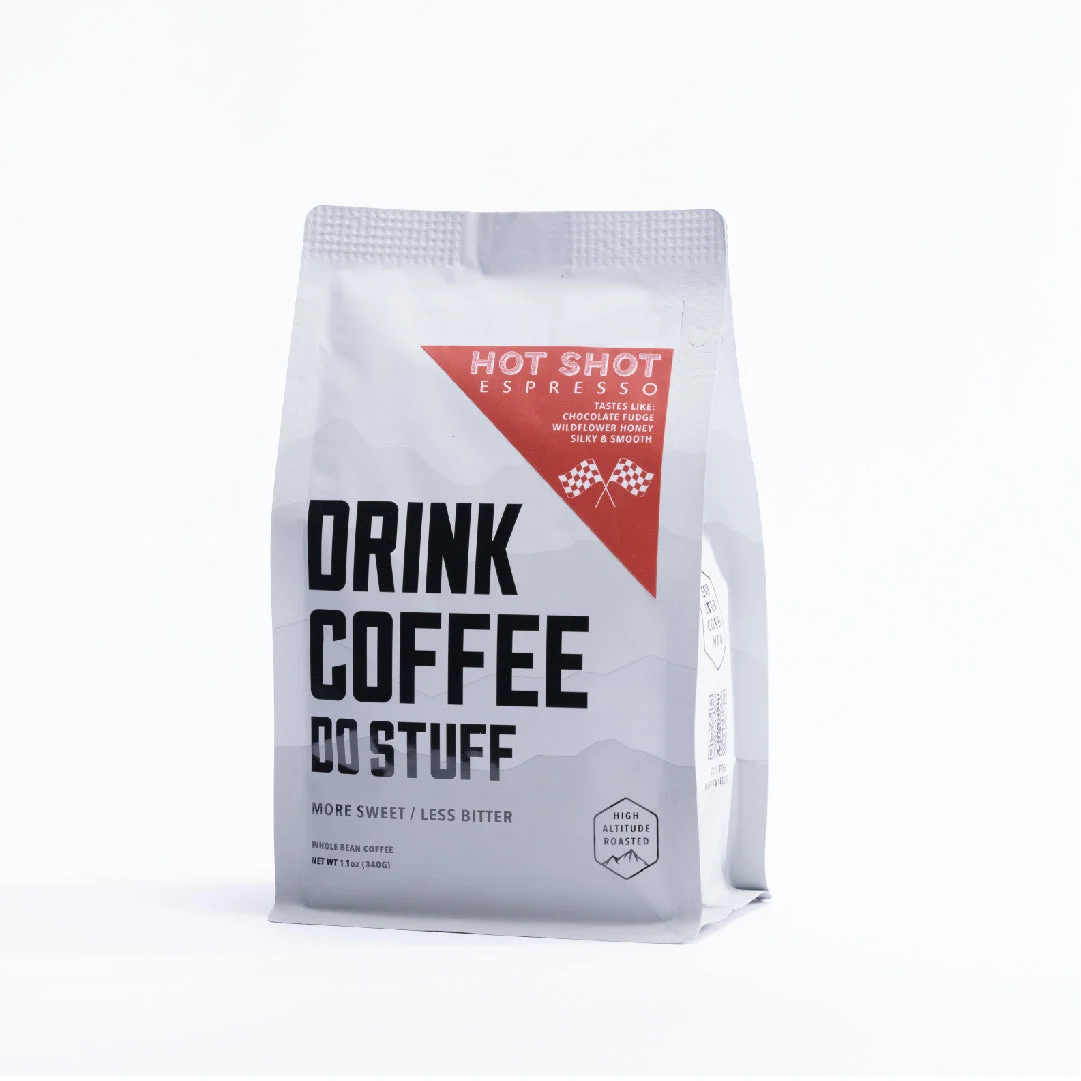
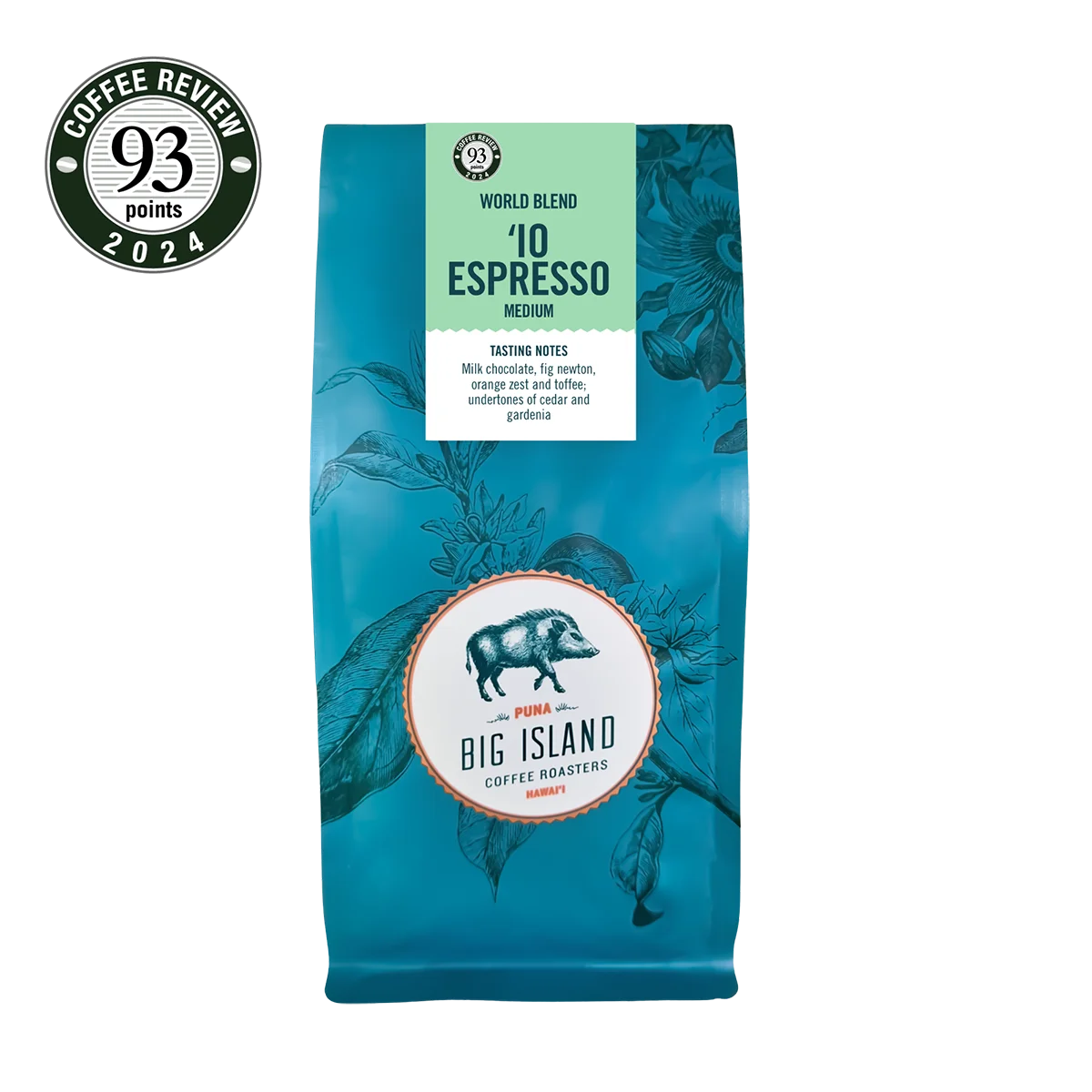
Io Espresso Blend
Kenya Kamunyaka AA
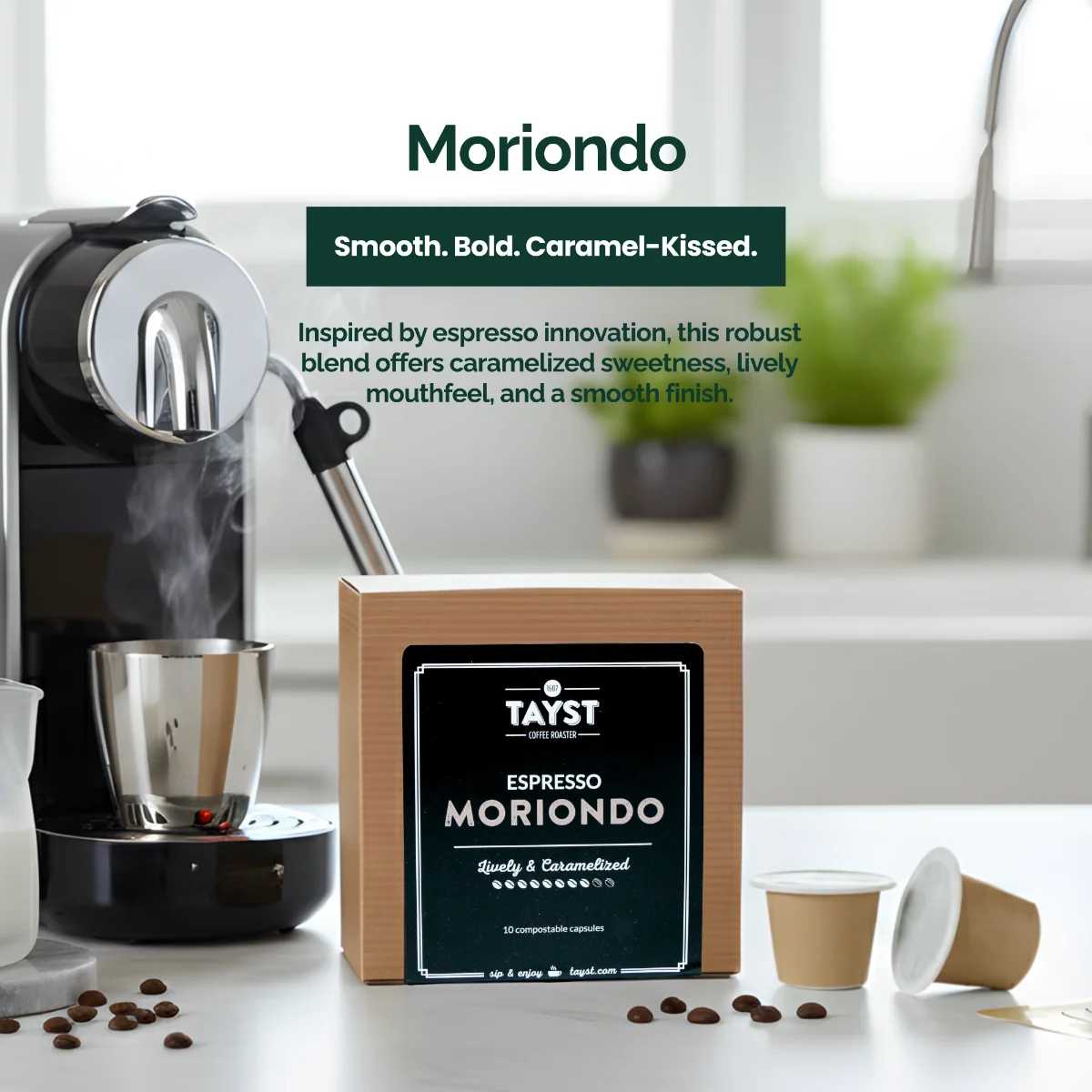
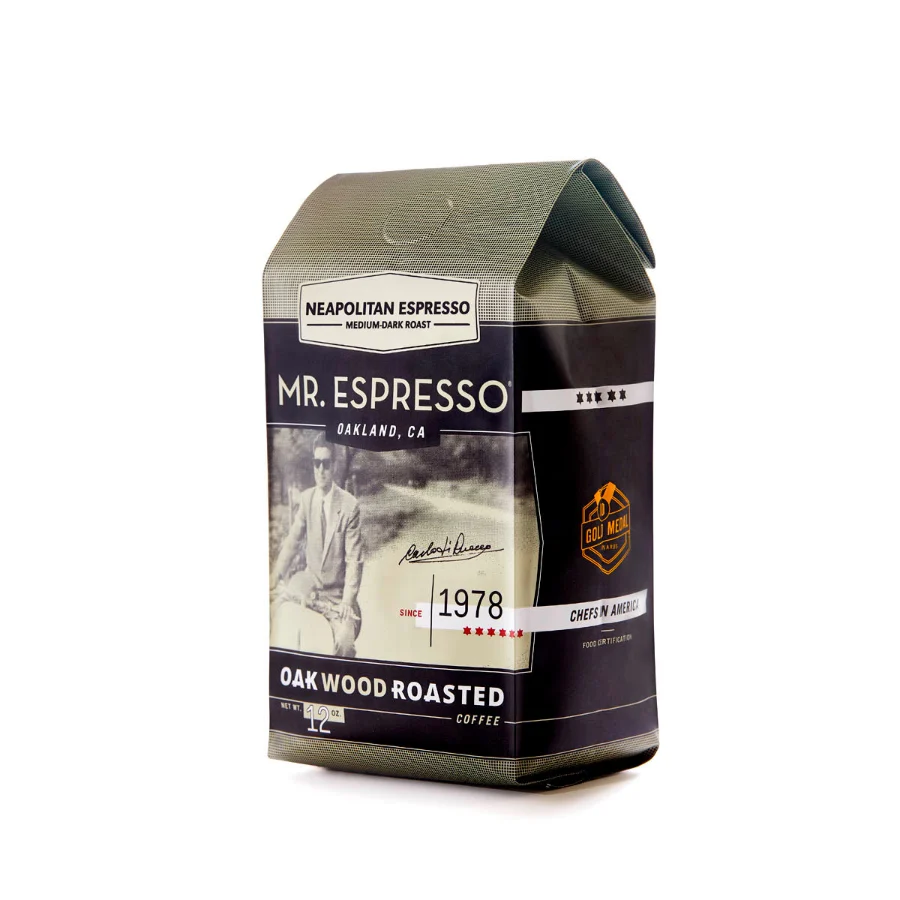

Nepal Illam Natural

Nicaragua – Brix Breaker
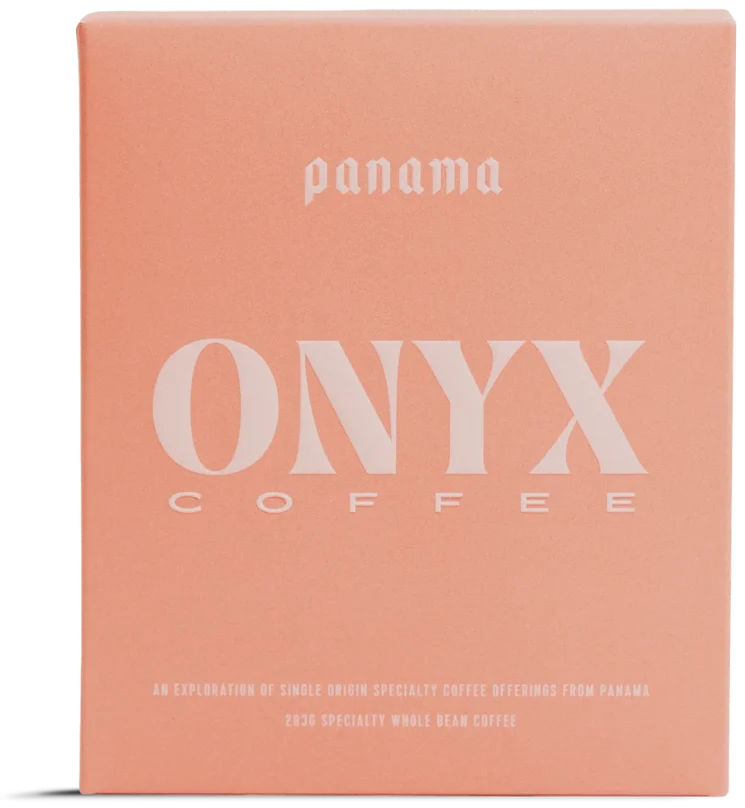
Panama Savage Coffees Gesha
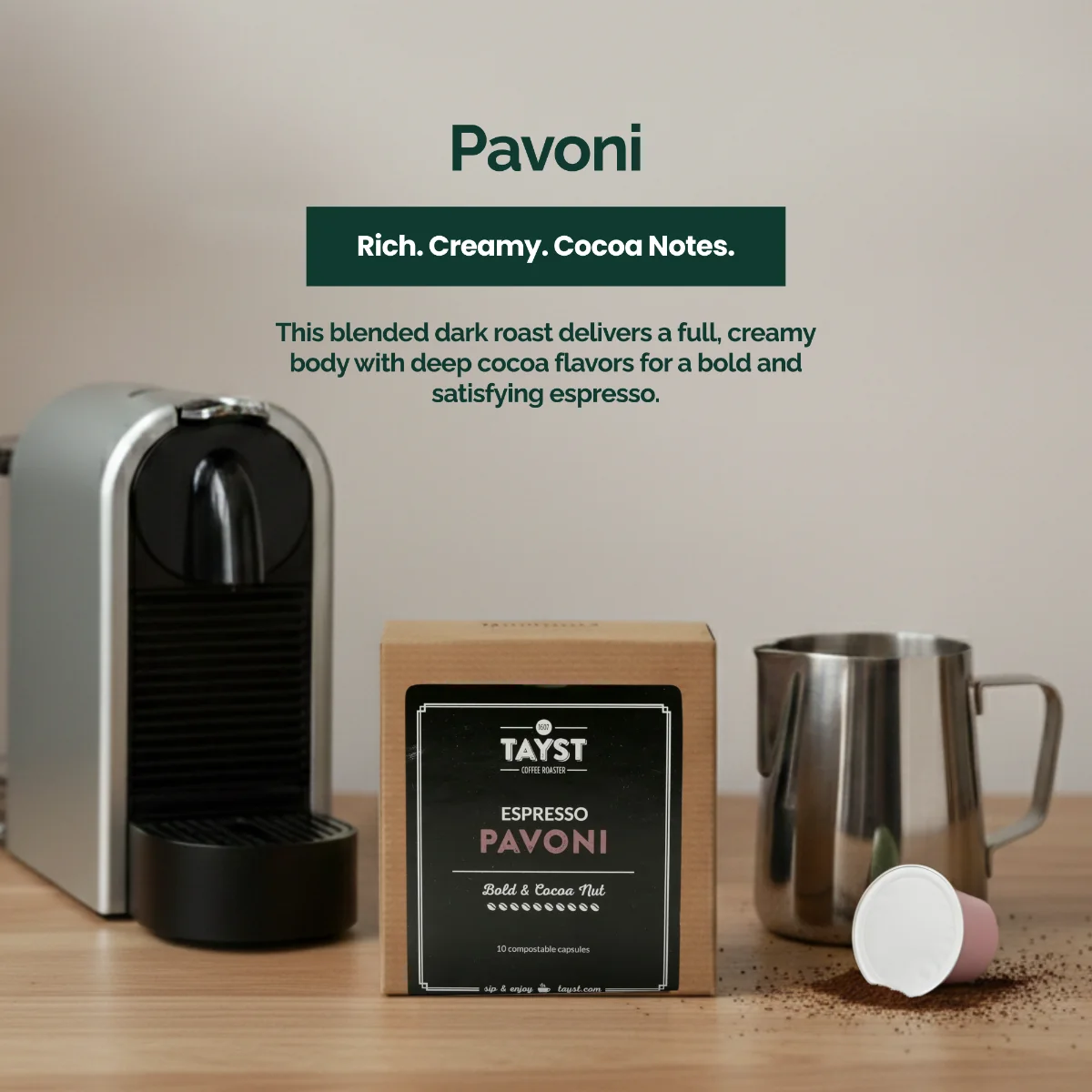

Peru La Margarita Gesha
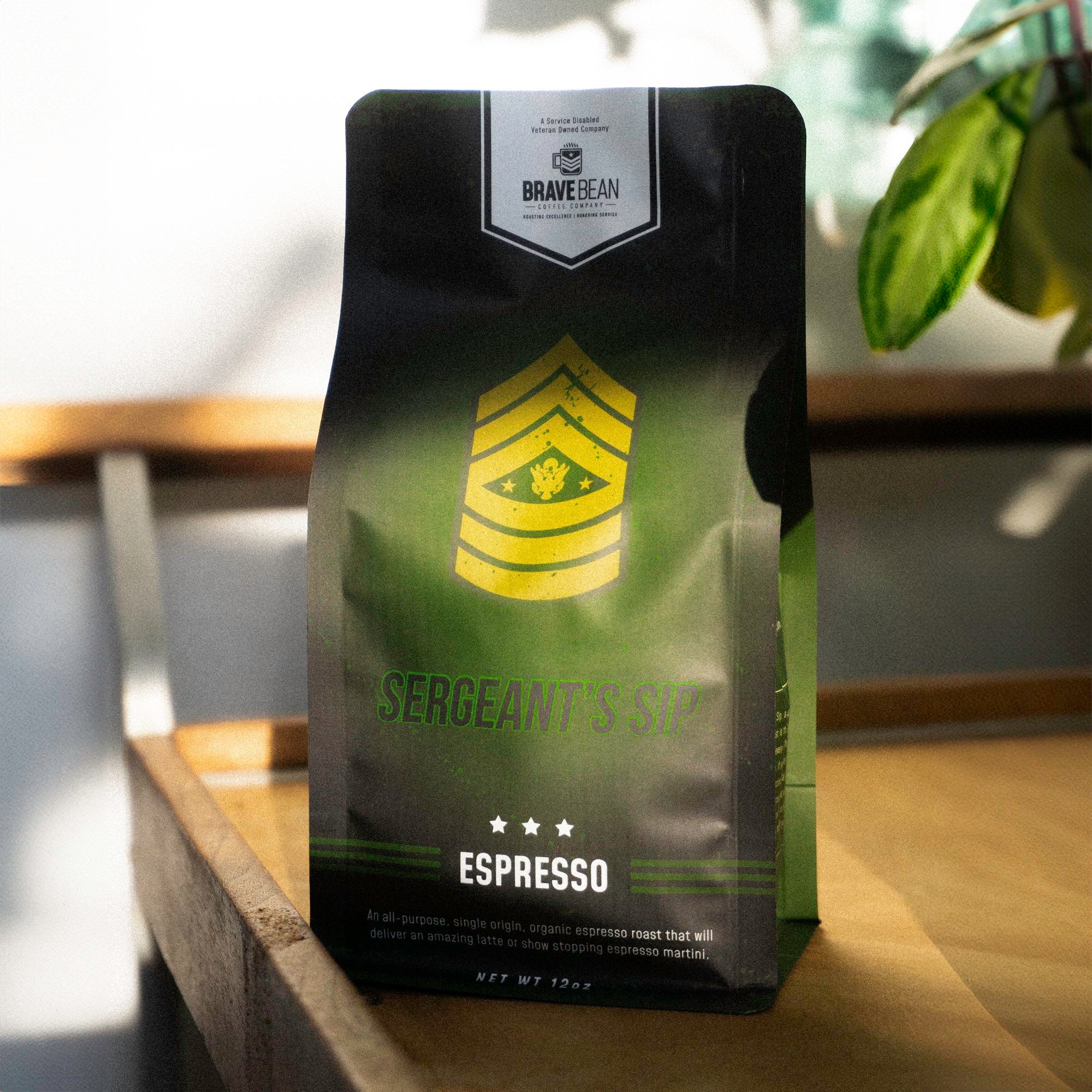
Sergeant’s Sip Espresso Roast
Signature Espresso
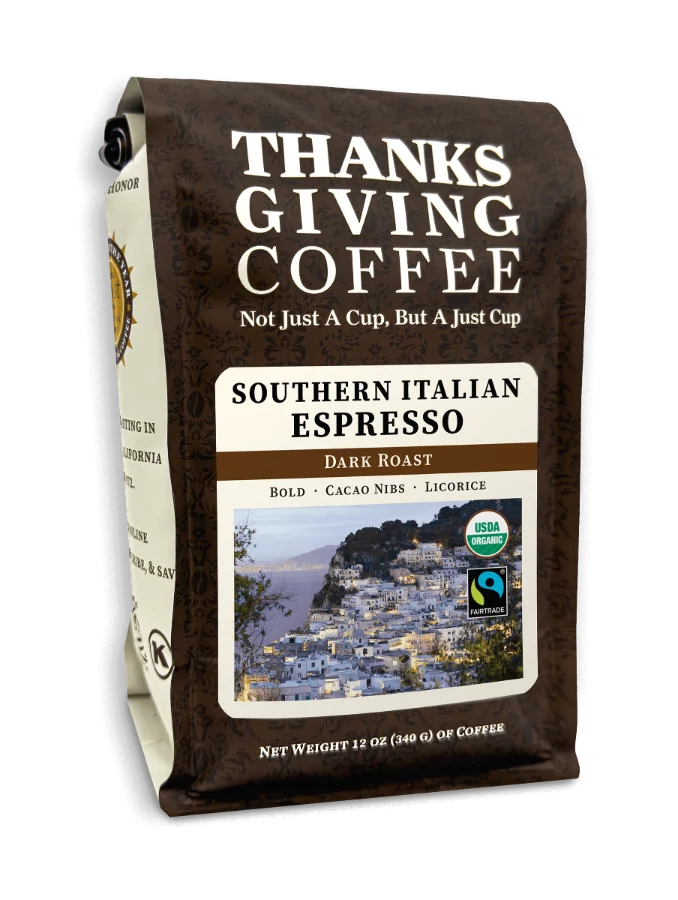
Southern Italian Style Espresso
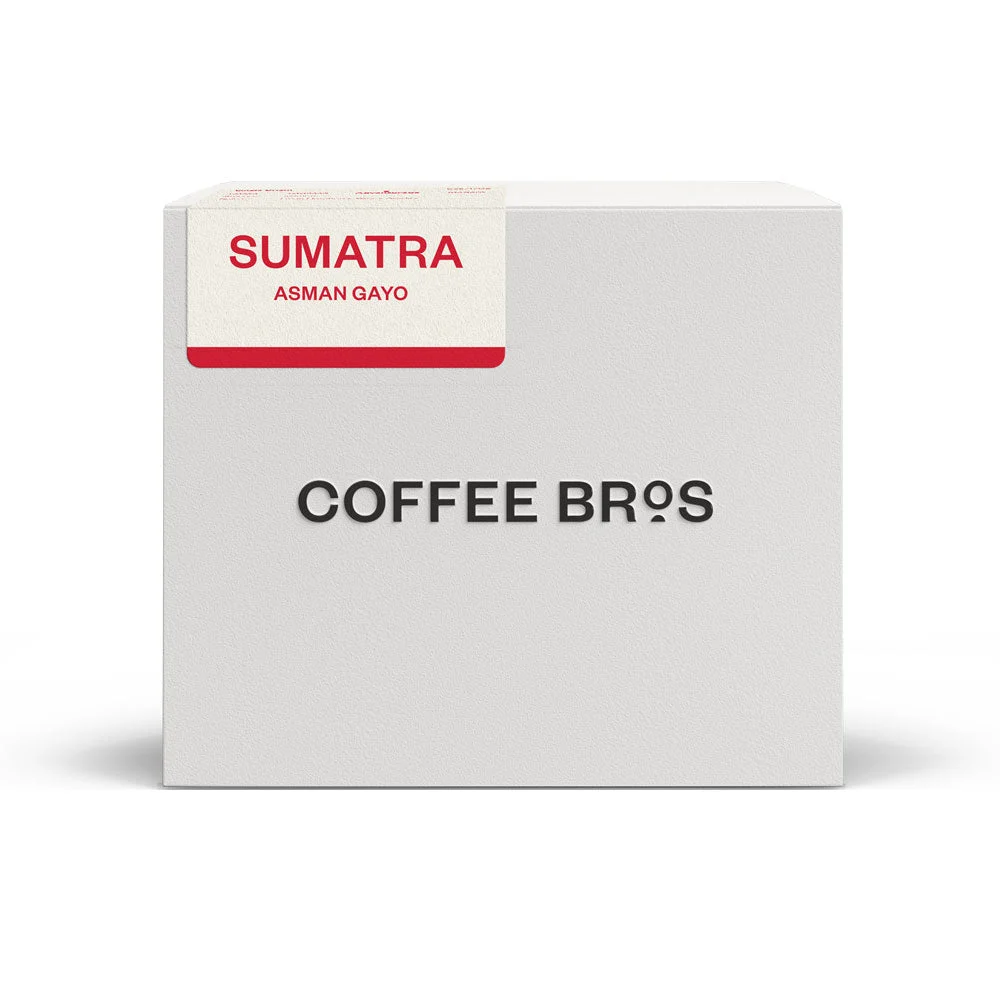
Sumatra Asman Gayo Natural
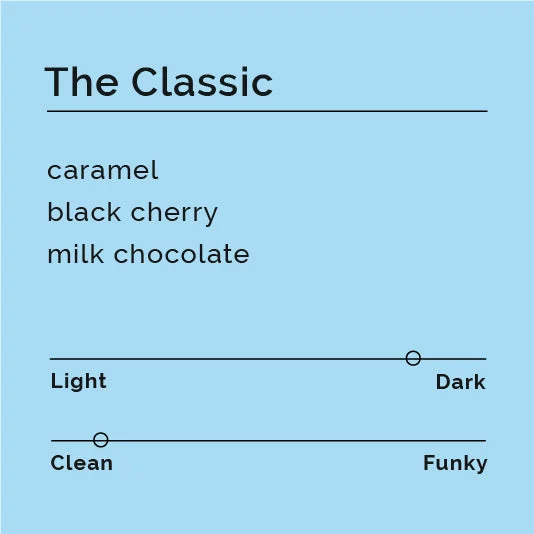
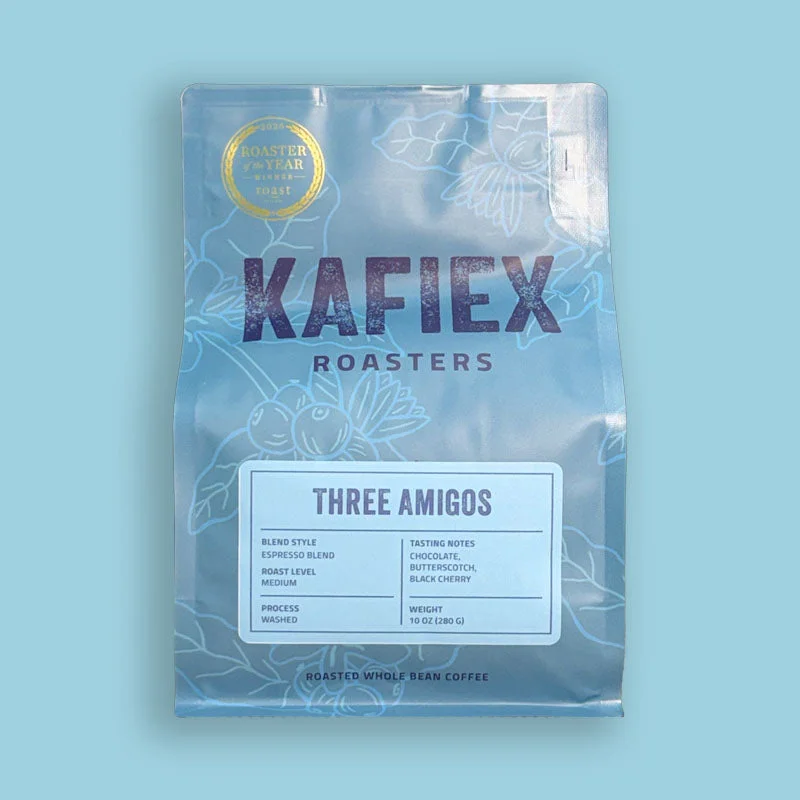
Three Amigos Espresso Blend
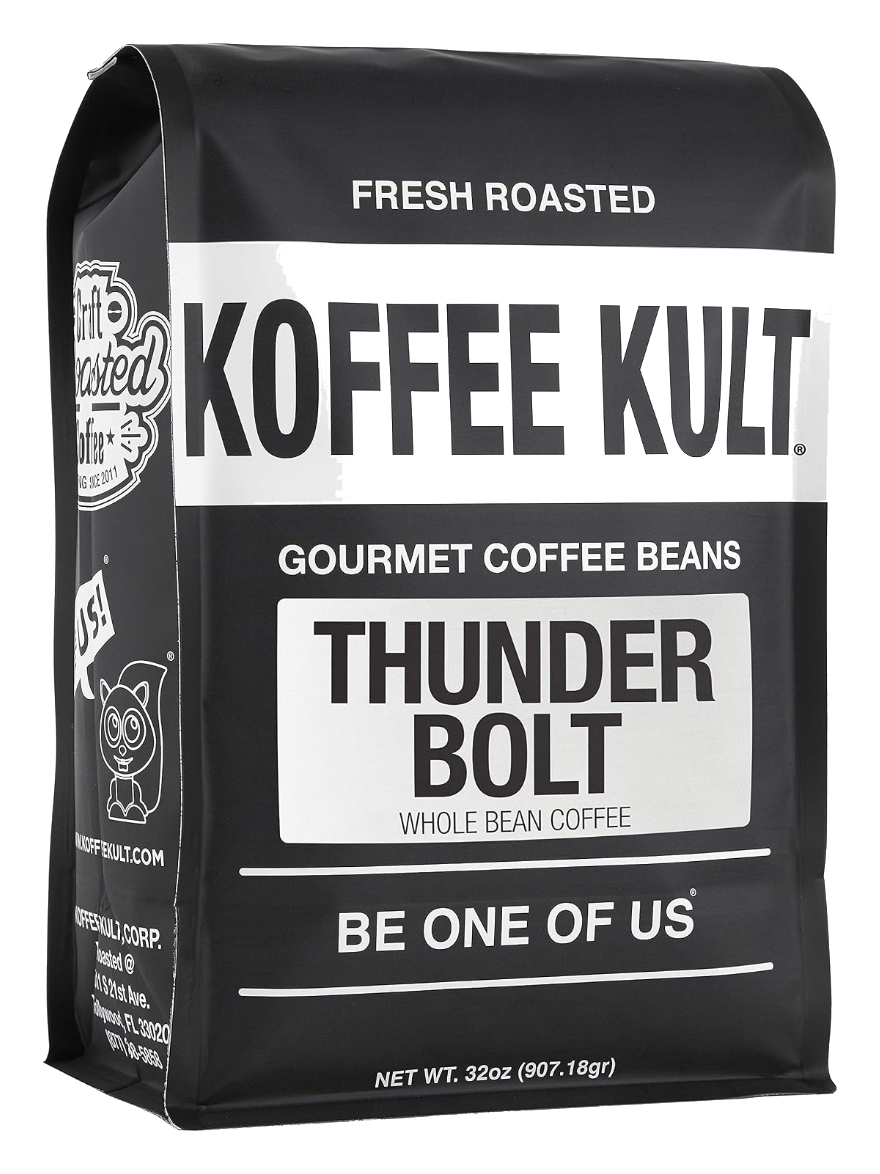
Thunder Bolt French Roast
Time & Temperature Espresso
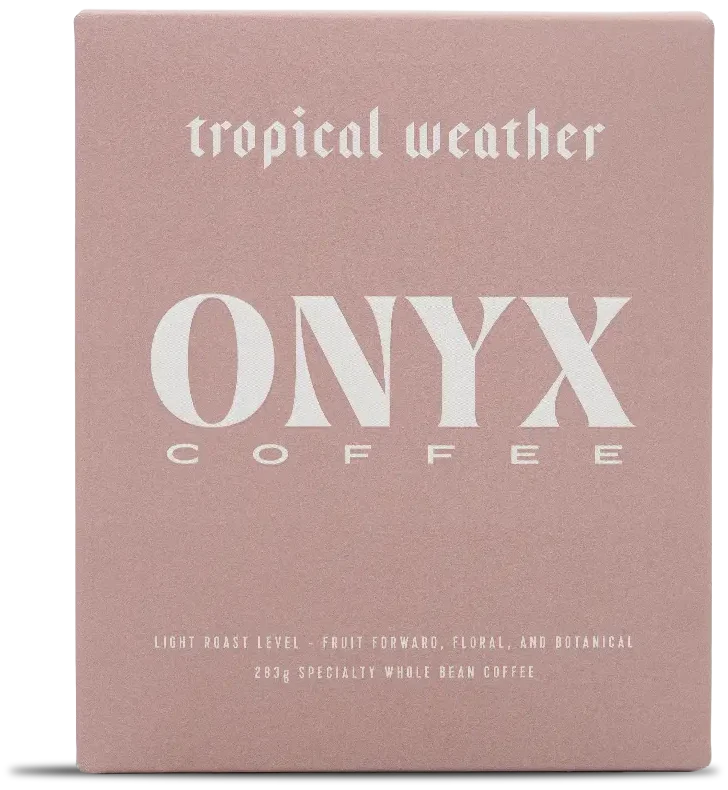
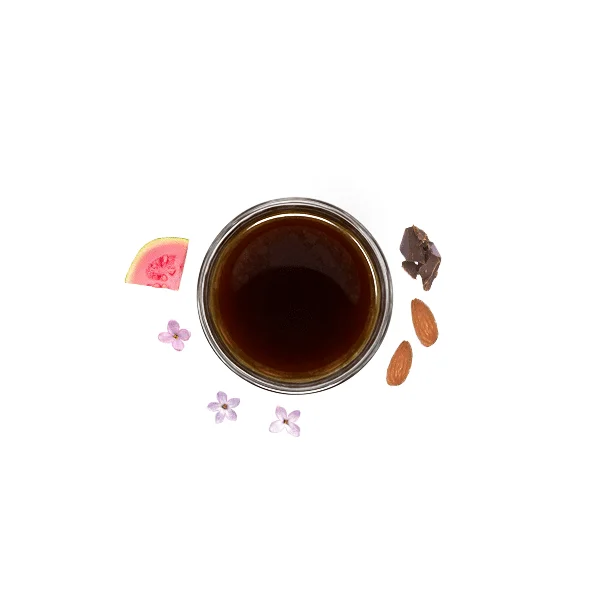
Twisted V.9 Espresso Blend
How to pick coffee for espresso at home
Any coffee can be brewed as espresso, but some make it much easier to pull a shot you'll love. Here's what to look for when you browse the coffees above.
Start with medium or medium-dark
Medium and medium-dark roasts are the most forgiving on a home machine. They extract easily and bring out the chocolate, caramel and nutty flavors most people expect in espresso and milk drinks. Lighter roasts can taste amazing as espresso, but they usually need a finer grind, a hotter shot and more dialing in.
Blend or single origin?
Espresso blends are built for balance and consistency, so they taste good shot after shot and hold up well in lattes and cappuccinos. Single origins are more distinctive, often fruitier or more floral, and better suited to straight shots once you're comfortable dialing in.
Buy fresh, whole bean
Look for a recent roast date and grind right before you pull your shot. Many roasters suggest letting espresso beans rest for several days after roasting, then using them within a few weeks, when they tend to taste their best.
Match the beans to your drink
If you mostly drink lattes and flat whites, a chocolatey, full-bodied coffee will cut through the milk. If you drink straight espresso, try something sweeter and brighter. Use the flavor filters above to narrow things down.
Want the full breakdown? Read our guide to the best beans for espresso, see our picks for the best high-end espresso machines, or learn whether dark roast really has more caffeine.
Frequently asked questions
Do I need special espresso beans to make espresso?
No. "Espresso" describes the brewing method, not a type of bean. Any coffee can be brewed as espresso. Coffees labeled for espresso are simply roasted and blended to taste good with that method.
What roast is best for espresso at home?
Medium to medium-dark roasts are the easiest place to start because they're forgiving and taste rich and sweet. Light roasts can be excellent too, but they usually take more dialing in.
Can I use espresso beans for drip or French press?
Yes. Espresso beans work in any brewer. Just grind them to match your method, coarser for French press and medium for drip.
How do you choose which coffees appear on this page?
This page shows every coffee on our site that its roaster recommends for espresso. New espresso coffees appear here automatically as we add them.